Move More, Live Better: My Simple Way to Stay Ahead of Sickness
Staying healthy doesn’t have to mean drastic changes or expensive routines. I’ve learned that small, consistent movements throughout the day can make a real difference in how I feel and how strong my body becomes over time. This isn’t about intense workouts or strict rules—it’s about smart, simple exercise habits that actually fit into real life. What if just a few daily choices could lower your risk of common illnesses? Let’s explore how easy movement can be one of the best defenses your body has.
The Hidden Power of Everyday Movement
Many people associate exercise with structured gym sessions, high-intensity interval training, or long runs. But science increasingly shows that everyday movement—walking to the mailbox, standing while folding laundry, or pacing during a phone call—plays a powerful role in maintaining long-term health. These small actions, often overlooked, contribute to what researchers call non-exercise activity thermogenesis (NEAT), the energy your body burns through daily physical activities outside of formal workouts. NEAT is a key factor in regulating metabolism, supporting cardiovascular function, and reducing the risk of chronic illness.
What makes everyday movement so effective is its consistency. Unlike intense workouts that may happen only a few times a week, light activity can be woven into every hour of the day. Studies have found that individuals who incorporate frequent low-intensity movement into their routines tend to have better blood sugar control, improved circulation, and stronger immune responses. For example, a 2021 study published in the British Journal of Sports Medicine revealed that people who walked for just 10 to 15 minutes after meals experienced significantly lower post-meal glucose spikes—especially important for those managing prediabetes or insulin resistance.
The principle here is clear: consistency matters more than intensity. While vigorous exercise has its place, the foundation of disease prevention lies in regular motion. The human body is designed to move, not remain still for hours on end. When movement becomes a natural rhythm of daily life, the benefits accumulate quietly but powerfully. Over time, these small efforts help maintain joint flexibility, support heart health, and reduce inflammation—key factors in preventing conditions like type 2 diabetes, hypertension, and even certain cancers.
For women in their 30s, 40s, and 50s, this approach is especially valuable. Hormonal changes, shifts in metabolism, and the demands of family and work can make traditional fitness routines feel overwhelming. But simple movement—like walking the dog, gardening, or dancing while cooking dinner—doesn’t require special clothes, equipment, or motivation. It’s accessible, sustainable, and deeply integrated into the fabric of real life. The goal isn’t to become an athlete, but to stay ahead of sickness by honoring the body’s need for motion.
Why Sitting Is the Real Enemy
Modern life is built around sitting—commuting, working at desks, watching television, even eating meals. While convenient, prolonged sitting has been labeled “the new smoking” by health experts due to its strong link with chronic disease. The problem isn’t just the lack of exercise during these periods, but what happens inside the body when muscles remain inactive for too long. When you sit for extended periods, your metabolic rate drops by as much as 90%, fat-burning enzymes slow down, and blood flow to the legs decreases, increasing the risk of blood clots and poor circulation.
Even more concerning, research shows that sitting for more than eight hours a day is associated with a 15% to 20% higher risk of cardiovascular disease, regardless of whether a person exercises later. This is because long stretches of inactivity trigger low-grade inflammation, disrupt insulin sensitivity, and contribute to the development of metabolic syndrome—a cluster of conditions including high blood pressure, elevated blood sugar, and abdominal fat that raises the risk of heart disease and diabetes.
The good news is that the body responds quickly to movement. Just two minutes of light activity—standing, stretching, or walking—every hour can interrupt the negative effects of sitting. A 2019 study in Medicine & Science in Sports & Exercise found that participants who took brief walking breaks during prolonged sitting saw improvements in blood sugar and blood pressure levels. These “active breaks” act like a reset button, stimulating circulation, reactivating muscles, and helping the body process nutrients more efficiently.
For busy women managing homes, careers, and families, incorporating these breaks doesn’t have to be difficult. Simple strategies include standing while reading emails, pacing during phone calls, or doing calf raises while brushing your teeth. At home, try standing during TV commercials or doing gentle shoulder rolls while waiting for the kettle to boil. The goal isn’t to eliminate sitting entirely—it’s to break it up. Over time, these small shifts reduce the strain on the body and support long-term vitality.
Building Exercise Into Real Life (No Gym Needed)
One of the biggest barriers to staying active is the belief that exercise requires time, equipment, or a special setting. But real-life movement doesn’t need a gym membership or workout clothes. It’s about making intentional choices that add motion to your day. The key is to stop thinking of exercise as something separate from life and start seeing it as part of how you live. Walking to the store instead of driving, taking the stairs instead of the elevator, or gardening with extra energy—all of these count as valuable physical activity.
A powerful strategy for making movement stick is habit stacking—linking a new behavior to an existing habit. For example, you might stretch for two minutes after brushing your teeth in the morning, do wall push-ups while waiting for the microwave, or march in place during a child’s homework time. These micro-movements take less than five minutes but add up over time. According to the American Heart Association, accumulating short bursts of activity throughout the day is just as beneficial as one long workout session.
Household chores, often seen as tedious, can also become a source of physical activity. Vacuuming, mopping, or carrying laundry up the stairs engage major muscle groups and increase heart rate. Try turning cleaning into a mini workout by adding squats while picking things up or doing lunges as you move from room to room. Even folding laundry can be done with mindful movement—standing on one leg to improve balance or twisting gently to stretch the spine.
For those with limited time, walking meetings—whether with a friend, a colleague, or even solo with a podcast—are an excellent way to combine social connection, mental clarity, and physical activity. Parking farther away from store entrances, getting off the bus one stop early, or walking the dog an extra block are all simple ways to increase daily steps without disrupting routines. The goal is not perfection, but progress—finding joy and purpose in movement that feels natural and meaningful.
Finding Your Natural Rhythm: Types of Preventive Movement
To build a strong defense against illness, it’s important to include different types of movement in your weekly routine. Experts recommend four key categories: aerobic activity, strength training, flexibility exercises, and balance work. Each plays a unique role in supporting long-term health, and all can be practiced in gentle, accessible ways.
Aerobic movement, such as brisk walking, cycling, or dancing, improves heart and lung function. It helps lower blood pressure, enhances circulation, and boosts mood by increasing endorphin levels. For most adults, the Centers for Disease Control and Prevention (CDC) recommends at least 150 minutes of moderate-intensity aerobic activity per week—about 30 minutes, five days a week. This can be broken into 10-minute segments, making it easier to fit into a busy schedule.
Strength training is equally important, especially as we age. After age 30, adults lose about 3% to 5% of muscle mass per decade, a process that accelerates after 50. This loss affects metabolism, balance, and overall strength. Bodyweight exercises like squats, wall push-ups, and step-ups can help maintain muscle without heavy weights. Resistance bands, which are inexpensive and easy to store, are another excellent tool for building strength at home.
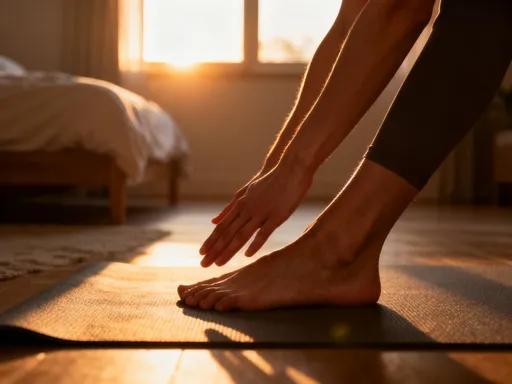
Flexibility and balance are often overlooked but vital for preventing falls and maintaining independence. Simple stretching after a warm shower or doing yoga poses like the cat-cow stretch or seated forward bend can improve range of motion. Balance exercises—such as standing on one foot while brushing your teeth or doing heel-to-toe walks—help train the body to stay steady, reducing the risk of injury.
The beauty of this approach is that it doesn’t require a rigid plan. You might take a brisk walk on Monday, do a 10-minute bodyweight routine on Tuesday, stretch while watching the evening news on Wednesday, and practice balance exercises on Friday. Over time, this variety supports a resilient, well-functioning body capable of handling daily challenges with ease.
Listening to Your Body: The Key to Sustainable Change
One of the most important aspects of staying active is learning to listen to your body. Pushing too hard, especially when starting a new routine, can lead to soreness, fatigue, or even injury—discouraging setbacks that make people give up. Sustainable change comes not from intensity, but from awareness. Paying attention to energy levels, mood, and physical signals helps you move in ways that support, rather than strain, your body.
Some days, a brisk walk may feel energizing. On others, gentle stretching or a slow stroll might be more appropriate. This doesn’t mean giving up—it means respecting your body’s needs. Rest is not a failure; it’s a necessary part of building strength. Recovery allows muscles to repair, joints to rest, and the nervous system to reset. Ignoring fatigue or pain increases the risk of overuse injuries and burnout.
A gentle, long-term mindset shifts the focus from quick results to lasting resilience. Instead of measuring success by weight loss or speed, consider how you feel—do you have more energy? Better sleep? Improved mood? These are meaningful indicators of progress. Celebrating small wins—like walking an extra block, standing longer during chores, or completing a daily stretch—builds confidence and motivation.
For women managing hormonal shifts, such as perimenopause or menopause, this approach is especially important. Fluctuating energy levels, joint discomfort, and sleep disturbances can make intense exercise feel unappealing. But gentle movement—like walking in nature, practicing tai chi, or doing restorative yoga—can ease symptoms and support hormonal balance. The goal is not to push through discomfort, but to move in ways that feel good and sustainable.
Overcoming Common Excuses
Many women say they don’t have time, are too tired, or simply don’t enjoy exercise. These are real barriers, but they can be overcome with practical, compassionate solutions. The first step is reframing movement not as a chore or punishment, but as an act of self-care—a way to honor your body and invest in your future health.
When time is limited, breaking activity into 10-minute chunks makes it more manageable. Three 10-minute walks—one in the morning, one at lunch, one after dinner—add up to 30 minutes and offer the same benefits as one continuous session. Even two minutes of movement every hour can make a difference. The key is consistency, not duration.
For those who feel too tired, it’s important to recognize that movement often increases energy rather than depletes it. Light activity improves blood flow, delivers oxygen to the brain, and boosts mood-regulating chemicals like serotonin. Starting small—like standing while talking on the phone or doing gentle stretches before bed—can help build momentum without feeling overwhelming.
And for those who say they hate exercising, the solution may be to stop thinking of it as “exercise” at all. Instead, focus on activities that bring joy—dancing to favorite music, walking with a friend, gardening, or playing with grandchildren. When movement feels like fun, it’s no longer something to dread. Real-life examples show that even tiny shifts—like taking the stairs, parking farther away, or standing during TV commercials—can lead to noticeable improvements in energy, sleep, and overall well-being.
Making It Last: Turning Movement Into a Lifestyle
Lasting change doesn’t come from willpower—it comes from identity. When you begin to see yourself as someone who moves regularly, healthy choices become natural, not forced. This shift happens gradually, through small, repeated actions that build confidence and reinforce new habits. Tracking progress can help, whether through a simple journal, a step counter, or a notes app on your phone. Recording how you feel each day—energized, calm, stronger—creates a powerful record of progress that goes beyond numbers on a scale.
Celebrating small wins is essential. Did you walk for 10 minutes today? Stretch before bed? Stand up and move during a long afternoon? These are victories worth acknowledging. Over time, they build a sense of accomplishment and reinforce the belief that you are someone who takes care of your body.
Motivation will ebb and flow, and that’s normal. On days when energy is low, focus on simply showing up—doing a few stretches, walking to the mailbox, or standing while reading. The goal isn’t perfection, but continuity. Even on tough days, a small amount of movement keeps the habit alive and supports long-term resilience.
Ultimately, movement is not medicine—it’s a daily gift to your future self. Every step, stretch, and moment of activity is an investment in a healthier, more vibrant life. It’s about building a body that can keep up with the demands of family, work, and life’s unexpected challenges. And it’s about creating a legacy of strength and vitality that inspires those around you.
Always consult a healthcare provider before starting any new physical activity, especially if you have existing health conditions or concerns. This is not medical advice, but a guide to help you explore safe, sustainable ways to stay active. With small, consistent choices, anyone can move more and live better—one step at a time.