What I Learned About Stress and Aging the Hard Way
We all want to look and feel younger, but what if the real enemy isn’t wrinkles—it’s stress? I used to think anti-aging was about creams and routines, until I realized chronic tension was aging me faster. This is what I discovered when I finally started paying attention to how stress impacts aging—and what actually helps release it in a natural, sustainable way. It wasn’t a single moment that revealed the truth, but a slow accumulation of fatigue, dull skin, and unexplained aches. The mirror showed lines, but my body was whispering a different message: you are carrying too much. Science now confirms what many have sensed for years—stress doesn’t just wear you down emotionally; it accelerates the biological clock in measurable, visible ways. The good news? The body has an incredible capacity to recover when given the right conditions. This journey isn’t about perfection. It’s about awareness, small shifts, and honoring the connection between mind, body, and time.
The Hidden Cost of Daily Stress
Stress is often dismissed as a normal part of modern life—a price we pay for being busy, responsible, and productive. But when daily pressures become constant, the body pays a steep price. Unlike acute stress, which can be useful in short bursts, chronic stress triggers a sustained release of cortisol, the primary stress hormone. Over time, elevated cortisol levels disrupt nearly every system in the body. It affects metabolism, weakens immune function, and impairs cognitive performance. More importantly for aging, it directly influences cellular health. Telomeres, the protective caps at the ends of chromosomes, shorten faster under prolonged stress. Shorter telomeres are linked to accelerated biological aging and a higher risk of age-related conditions. This isn’t just theoretical—it’s observable. Women who report high levels of stress, such as caregivers of chronically ill family members, have been found in studies to have significantly shorter telomeres than their less-stressed peers.
Beyond the cellular level, the physical signs are unmistakable. Chronic stress compromises skin integrity by reducing collagen production and increasing inflammation. This leads to loss of elasticity, slower wound healing, and a tired, sallow complexion. Many women in their 40s and 50s notice these changes and turn to expensive skincare, unaware that their daily tension may be undermining their efforts. Fatigue is another common symptom, even among those who sleep eight hours. Why? Because stress disrupts the quality of sleep, preventing the deep, restorative stages when the body repairs itself. The result is waking up unrefreshed, reliant on caffeine, and caught in a cycle of exhaustion that feels impossible to break. Emotional strain also manifests physically—tight shoulders, headaches, digestive discomfort—all subtle markers of a system under prolonged pressure.
What makes this so insidious is how normalized it has become. Feeling ‘on edge,’ snapping at loved ones, or struggling to unwind at night are often seen as personal failings rather than signs of physiological overload. Yet the body does not distinguish between emotional and physical stress. A heated argument, financial worry, or work deadline activates the same survival response as a physical threat. When this response is triggered too often, the body remains in a state of low-grade emergency, diverting resources from long-term maintenance to immediate survival. Over time, this imbalance wears down resilience. The key insight is this: managing stress is not a luxury or a sign of weakness. It is a biological necessity for healthy aging. Recognizing the signs—mental fog, irritability, persistent fatigue—is the first step toward reversing its effects.
Why Most Anti-Aging Routines Fall Short
Walk into any pharmacy or beauty boutique, and you’ll find a dazzling array of anti-aging products—serums, creams, supplements, and devices promising firmer skin, brighter eyes, and a more youthful glow. Many women invest significant time and money into these solutions, carefully layering products each morning and night. Yet, despite their diligence, the results often feel temporary or underwhelming. The reason lies in a fundamental oversight: most anti-aging strategies focus exclusively on the surface, ignoring the internal environment where aging truly begins. No amount of hyaluronic acid can fully counteract the effects of chronically elevated cortisol. No antioxidant serum can repair telomeres that are shortening due to unrelenting stress.
The body is not a collection of isolated parts. It is an integrated system where emotional well-being directly influences physical appearance. When the nervous system is in a constant state of alert, the body prioritizes survival over beauty. Blood flow is redirected from the skin to essential organs. Inflammation increases. Cellular repair slows. In this state, even the most advanced skincare is working against the body’s own biology. This is why some women look radiant during joyful, low-stress periods—even with minimal routines—while others appear worn despite meticulous regimens. The difference often isn’t genetics or product quality. It’s the internal climate created by stress levels.
True rejuvenation requires a shift in perspective. Instead of treating aging as an enemy to be fought with external weapons, it must be approached as a reflection of overall health. A face that looks tired may not need more concealer—it may need more rest, emotional safety, and nervous system regulation. This doesn’t mean abandoning skincare altogether. It means reordering priorities. Skincare can support healthy aging, but it cannot replace the foundational role of stress management. When stress is reduced, the body naturally restores balance. Skin regains its glow, energy returns, and the features soften. The most effective anti-aging routine begins not in the medicine cabinet, but in daily habits that promote calm, presence, and resilience. It is not about doing more, but about creating space for the body to do what it already knows how to do—repair, renew, and thrive.
The Myth of “Quick Fixes” for Stress
In the search for relief, many turn to habits that offer immediate comfort but deepen stress over time. These quick fixes feel effective in the moment, which is why they become ingrained. A strong cup of coffee to push through afternoon fatigue, a handful of sweets after a difficult conversation, or endless scrolling through social media to numb the mind—these behaviors provide a brief distraction from discomfort. But they do not resolve the underlying tension. Instead, they often exacerbate it, creating a cycle of temporary relief followed by increased strain. Caffeine, for example, stimulates the release of adrenaline, mimicking the body’s natural stress response. While it may increase alertness, it also raises heart rate and blood pressure, keeping the nervous system in a heightened state. For someone already stressed, this is like adding fuel to a fire.
Emotional eating is another common coping mechanism. Under stress, the brain craves quick energy, often in the form of sugar and refined carbohydrates. These foods trigger a short-lived dopamine release, creating a sense of comfort. But the blood sugar spike is followed by a crash, leaving the body more fatigued and the mind more anxious. Over time, this pattern contributes to weight gain, insulin resistance, and further inflammation—all of which accelerate aging. Similarly, screen time, especially before bed, disrupts circadian rhythms. The blue light emitted by phones and tablets suppresses melatonin, the hormone responsible for sleep. Even if one manages to fall asleep, the quality is often poor, preventing the deep rest needed for cellular recovery.
What these habits have in common is that they avoid the discomfort of stillness. They keep the mind occupied, the body stimulated, and the emotions at bay. But true stress release requires the opposite: presence, awareness, and the willingness to feel without reacting. The body knows how to reset itself, but it needs moments of safety and quiet to do so. When we constantly override these signals with distractions, we deny the body its natural healing capacity. The solution is not to eliminate all comforts, but to recognize when they are being used as avoidance. A cup of tea can be soothing when sipped mindfully, but it becomes a crutch if used to escape emotions. The goal is not perfection, but awareness. By noticing our patterns, we create space to choose differently—not always, but often enough to make a difference.
What Actually Works: Natural Stress Release Techniques
The most effective stress management strategies are not complex or time-consuming. They are simple, accessible, and rooted in the body’s innate ability to self-regulate. One of the most powerful tools is mindful breathing. Unlike shallow, rapid breaths that accompany stress, slow, deep breathing activates the parasympathetic nervous system—the body’s “rest and digest” mode. Just five minutes of diaphragmatic breathing can lower heart rate, reduce cortisol levels, and create a sense of calm. The technique is simple: inhale slowly through the nose for a count of four, let the belly expand, hold for a moment, then exhale gently through the mouth for a count of six. Repeating this cycle a few times signals safety to the brain, interrupting the stress response.
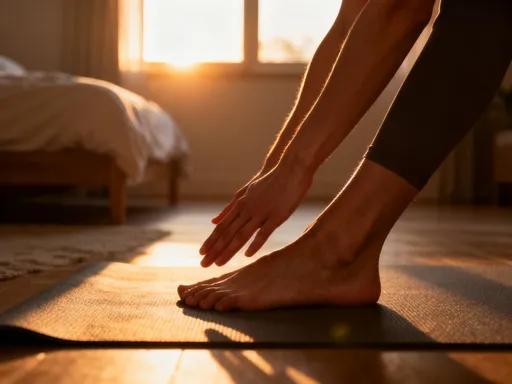
Gentle movement is another highly effective practice. Unlike intense workouts that can add stress to an already taxed system, activities like walking, stretching, or restorative yoga help release tension without overexertion. A daily walk in nature, even for ten minutes, combines physical activity with sensory grounding. The rhythm of footsteps, the sound of birds, the feel of fresh air—all of these inputs help regulate the nervous system. The key is consistency, not intensity. It’s better to walk slowly every day than to sprint once a week. Similarly, stretching tight muscles—especially in the neck, shoulders, and jaw—releases stored tension and improves circulation. These movements don’t require special equipment or classes. They can be done at home, in pajamas, before breakfast.
Another powerful habit is the intentional pause. In a world that glorifies busyness, taking a moment to stop can feel radical. Yet these small breaks—stepping outside for fresh air, closing the eyes for a minute, sipping tea without multitasking—allow the mind to reset. They break the cycle of constant stimulation and create space for clarity. The goal is not to eliminate stress entirely—that is neither possible nor desirable. Stress is a natural part of life. The goal is to build resilience by restoring balance more quickly. These techniques work not because they are dramatic, but because they are sustainable. They fit into real lives. They don’t require hours of meditation or expensive retreats. They are small acts of self-care that, when repeated, create lasting change.
How Sleep and Rhythm Support Cellular Recovery
Sleep is one of the most powerful anti-aging tools available, yet it is often the first thing sacrificed in a busy schedule. During deep sleep, the body performs essential maintenance: repairing tissues, clearing toxins from the brain, and regenerating cells. This is when human growth hormone is released, supporting muscle tone, skin elasticity, and metabolic health. Without sufficient quality sleep, these processes are disrupted, accelerating signs of aging. The connection between stress and sleep is cyclical. Stress makes it harder to fall and stay asleep, and poor sleep increases sensitivity to stress the next day. Breaking this cycle requires attention to both the mind and the environment.
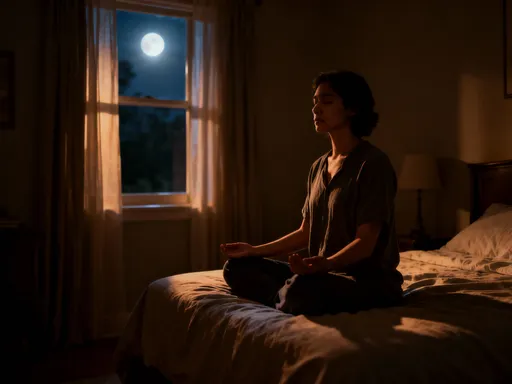
Creating a consistent sleep rhythm is crucial. Going to bed and waking up at roughly the same time every day—even on weekends—helps regulate the body’s internal clock. This consistency improves sleep quality and makes it easier to fall asleep naturally. Evening routines play a key role in signaling to the body that it is time to wind down. Dimming the lights, avoiding screens for at least an hour before bed, and engaging in calming activities like reading or light stretching prepare the nervous system for rest. The bedroom itself should be a sanctuary—cool, quiet, and free from distractions. These adjustments are not about rigid rules, but about creating conditions that support rest.
It’s also important to recognize that rest is not the same as sleep. True recovery includes moments of stillness throughout the day. A midday pause, a quiet cup of tea, or a few minutes of breathing can prevent stress from accumulating. The body thrives on rhythm—periods of activity followed by periods of rest. When this balance is lost, the system becomes overtaxed. By honoring natural rhythms, we support cellular repair and emotional stability. Rest is not laziness. It is an act of wisdom. It is how the body renews itself, not just survives, but thrives. When sleep and daily rhythm are prioritized, the effects are visible: clearer skin, brighter eyes, and a more even mood. These are not cosmetic changes. They are signs of a body that is being cared for at the deepest level.
Building a Lifestyle That Ages Gracefully
Long-term well-being comes not from isolated fixes, but from a lifestyle designed to minimize unnecessary strain. This means making intentional choices about how time, energy, and space are used. One of the most impactful changes is creating a calming environment. Clutter, noise, and constant digital notifications keep the nervous system on high alert. Simple adjustments—like organizing a quiet corner for reading, using soft lighting, or playing gentle background music—can create a sense of safety and peace. The home should be a refuge, not another source of stress. Similarly, reducing exposure to overwhelming stimuli, such as loud environments or emotionally charged media, helps preserve mental clarity.
Behavioral shifts are equally important. Learning to set boundaries—saying no to extra commitments, protecting personal time, and communicating needs clearly—prevents burnout. Many women feel pressure to be available, helpful, and agreeable at all times. But constant giving without replenishment leads to depletion. It is not selfish to prioritize one’s well-being; it is necessary. Small acts of self-protection—like leaving a meeting early if overwhelmed, or skipping an event when tired—send a message to the body that it matters. These choices build resilience over time.
Another key element is rhythm in daily activities. Instead of packing every moment with tasks, building in natural pauses allows for integration and recovery. This might mean taking a short walk after lunch, pausing before responding to an email, or simply sitting quietly with a cup of tea. These moments are not unproductive—they are essential for mental and physical balance. Aging gracefully is not about controlling every aspect of life, but about creating conditions where the body can function optimally. It is about designing a life that supports calm, not constant effort. When the environment and routine align with well-being, stress naturally decreases, and the signs of aging slow.
A New Mindset: Aging as a Reflection of Inner Peace
The final shift is not behavioral, but perceptual. Aging does not have to be feared or fought. It can be seen as a natural expression of how we have lived. A face lined with worry reflects years of tension. A face softened by laughter and rest reflects years of care. The goal is not to look 25 again, but to feel alive, present, and at peace. When stress is truly released, the body responds with vitality. Skin glows not from expensive creams, but from good circulation and low inflammation. Energy returns not from stimulants, but from rest and balance. The eyes brighten not from filters, but from genuine well-being.
This perspective changes everything. It moves the focus from appearance to essence. Instead of chasing youth, we cultivate presence. Instead of resisting time, we honor it. The most powerful anti-aging secret is not a product or a procedure. It is calm. It is the daily choice to breathe, to pause, to protect one’s energy. These choices accumulate. They shape not just how we look, but how we experience life. A woman who feels at ease in her body, who moves through her days with grace and resilience, carries a beauty that no wrinkle can diminish.
Lasting change does not come from drastic measures, but from gentle, consistent actions. It comes from listening to the body, honoring its needs, and creating a life that supports it. Stress will always be part of life. But it does not have to define how we age. By releasing it in sustainable ways, we allow the natural process of aging to unfold with dignity, strength, and peace. That is the truest form of beauty—and the most powerful legacy we can offer ourselves.