Beyond the Beaches: What Goa’s Wild Heart Taught Me
Nestled behind Goa’s famous coastlines lies a world few travelers see—protected forests, silent wetlands, and trails humming with life. I went searching for peace beyond the parties and found something unexpected: wild, untouched nature preserved in sanctuaries like Bhagwan Mahavir and Mollem. This isn’t just about scenery—it’s about discovery, respect, and the quiet thrill of walking where nature still rules. Away from the rhythm of beach shacks and tourist markets, a deeper Goa reveals itself in the rustle of leaves, the call of unseen birds, and the slow, steady pulse of ancient ecosystems. Here, conservation isn’t a distant policy—it’s a living promise between people, wildlife, and the land.
The Goa Nobody Talks About
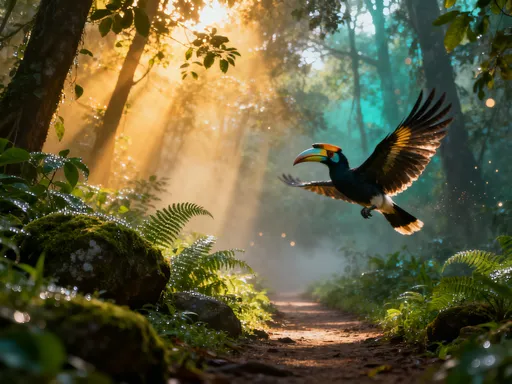
When most people think of Goa, they imagine golden sands, swaying palms, and the buzz of beachside cafes. Yet beneath this vibrant surface lies a quieter, wilder truth. Over 20% of Goa’s total land area is officially protected through a network of wildlife sanctuaries, national parks, and conservation reserves—a commitment that places it among India’s leaders in regional environmental stewardship. This ecological backbone is shaped by its location along the Western Ghats, a UNESCO World Heritage Site and one of the planet’s eight “hottest” biodiversity hotspots. Within these forests thrive rare species like the Malabar pied hornbill, the slender loris, and the elusive Nilgiri marten, all sustained by dense evergreen and moist deciduous woodlands.
What makes this hidden Goa so significant isn’t just its biological wealth, but its emotional resonance. For travelers seeking more than sun and surf, these green spaces offer a chance to reconnect—with nature, with stillness, with a sense of wonder often lost in modern life. Unlike mass-market destinations, these areas do not cater to spectacle. Instead, they invite presence: the need to walk softly, listen closely, and observe with care. The experience is not passive; it’s participatory, rooted in awareness and respect.
Ecologically, these protected zones serve as critical watersheds, filtering and feeding rivers like the Mandovi and Zuari, which support agriculture, drinking water, and fisheries downstream. They also act as carbon sinks, helping mitigate climate change at a regional level. But beyond measurable benefits, they hold cultural value. For generations, local communities have lived in harmony with these forests, drawing sustenance in sustainable ways—collecting fallen wood, harvesting non-timber forest products, and maintaining traditional knowledge of medicinal plants. This deep interdependence underscores why preserving these lands is not just an environmental duty, but a social and moral one.
Stepping Into Mollem: First Impressions
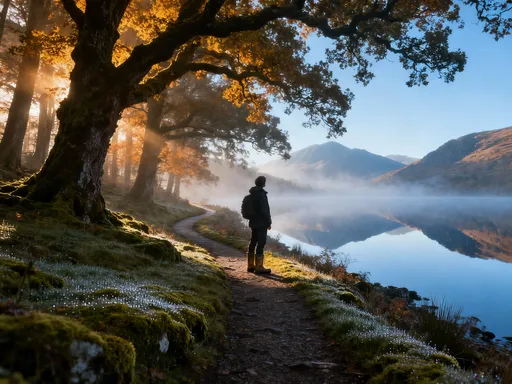
My first morning in Mollem National Park began before sunrise, as a soft mist curled around the canopy of towering trees like whispered secrets. The air was cool and rich with the scent of damp earth and wild jasmine. As I stepped onto the trail leading toward the Kushavati River, a deep, resonant call echoed through the fog—two hornbills gliding between treetops, their wings cutting the silence. It was a moment of pure immersion, one that reminded me how rare it is to encounter nature on its own terms, undisturbed by human noise or intrusion.
Mollem, part of the larger Bhagwan Mahavir Wildlife Sanctuary, spans over 240 square kilometers and forms a vital corridor within the Western Ghats. Its elevation varies dramatically, creating diverse microhabitats—from lowland river valleys to high-altitude plateaus cloaked in shola forests. This variation supports a wide array of species, including some classified as endangered or near-threatened. Among them is the Malabar civet, a nocturnal mammal so rarely seen that its presence is often confirmed only through camera traps and scat analysis. The park is also home to leopards, sambar deer, and the Indian bison, or gaur, whose massive silhouette can sometimes be glimpsed at dawn near forest clearings.
Walking through Mollem feels like moving through a living archive. Every fallen log teems with fungi, every stream hosts darting fish and amphibians adapted to clean, oxygen-rich water. The Kushavati River itself is more than a scenic feature; it’s a lifeline. Fed by monsoon rains and forest filtration, it flows year-round, sustaining aquatic life and providing water for surrounding villages. The park’s protection status ensures that industrial development, mining, and large-scale tourism remain restricted—though not without ongoing challenges, as later sections will explore.
For visitors, the experience is both humbling and energizing. There are no loudspeakers, no souvenir stalls, no artificial lighting. Just the rhythm of the forest—birdsong at dawn, the rustle of a giant squirrel leaping between branches, the distant splash of a mugger crocodile slipping into the water. This sensory clarity creates space for reflection, making Mollem not just a destination, but a kind of sanctuary for the soul.
Hidden Trails and Secret Spots
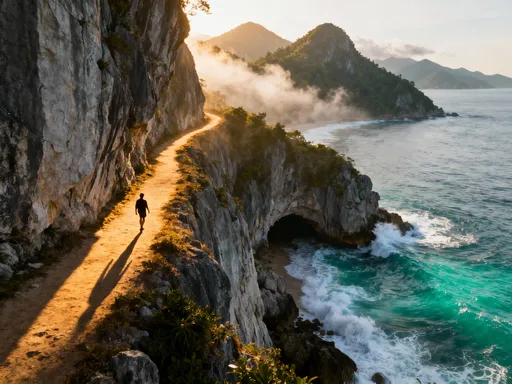
Beyond the main visitor routes in Mollem and neighboring sanctuaries lie trails that few tourists tread—paths leading to secluded waterfalls, ancient rock shelters, and panoramic viewpoints hidden deep within the forest. One of the most rewarding of these is the Dudhsagar trek, which takes hikers through dense jungle to the base of a 310-meter waterfall that thunders down a cliff face like liquid silver. The name, meaning “Sea of Milk,” comes from the cascade’s frothy white appearance during the monsoon, when the flow reaches its peak.
The trek itself is moderately challenging, covering approximately 8 kilometers round trip with uneven terrain, river crossings, and sections of steep incline. It typically takes four to five hours, depending on pace and stops for observation. While accessible during the post-monsoon months (October to March), it requires preparation: sturdy, ankle-supporting footwear, a waterproof backpack, and ample water and snacks. Because the trail passes through protected land, entry is regulated—visitors must obtain permits from the Forest Department, often arranged through authorized guides or eco-tourism cooperatives.
These lesser-known routes offer more than physical adventure; they provide a sense of discovery that mass tourism rarely allows. Along the Dudhsagar path, it’s common to spot Malabar grey hornbills, barking deer, and even the occasional king cobra during cooler months. The caves near the base of the falls, believed to have been used by Buddhist monks centuries ago, add a layer of historical intrigue. But what stands out most is the feeling of solitude—of being in a place where human presence is temporary, and nature remains in charge.
This sense of untouched beauty is not accidental. It exists because of active conservation—because trails are monitored, waste is collected, and visitor numbers are limited. Responsible exploration means adhering to rules: staying on marked paths, avoiding loud noises, and carrying out all trash. It also means respecting closures during breeding seasons or after heavy rains, when trails may be unsafe or sensitive habitats are vulnerable. When travelers follow these guidelines, they become part of the protection, not a threat to it.
Birds, Butterflies, and the Quiet Life
While large mammals capture much of the attention in wildlife discussions, Goa’s true biodiversity shines in its smaller, quieter inhabitants. At the Salim Ali Bird Sanctuary, located on the island of Chorão along the Mandovi River, the air pulses with movement. Kingfishers—pied, white-throated, and stork-billed—dart from mangrove branches, plunging into the water with precision. Herons stalk the shallows, crabs vanish into tangled roots, and fiddler crabs wave their oversized claws in territorial displays. Over 150 bird species have been recorded here, including migratory visitors that arrive from Central Asia and Europe each winter.
This sanctuary, named after India’s most renowned ornithologist, is a tidal wetland ecosystem dominated by mangroves—salt-tolerant trees with complex root systems that stabilize shorelines and filter pollutants. These forests are nurseries for fish and crustaceans, supporting both marine biodiversity and local fisheries. They also serve as natural buffers against storm surges and coastal erosion, a critical function as sea levels rise and weather patterns grow more erratic.
But birds and mangroves are just part of the story. Goa’s forests host over 100 species of butterflies, including the rare Malabar banded swallowtail and the crimson rose. These insects are more than beautiful—they are vital pollinators, linking plant species across habitats and ensuring forest regeneration. Similarly, the region’s orchid diversity—over 70 species, many epiphytic—is a testament to the health of its humid, shaded woodlands. Rare blooms like the Dendrobium ovatum and the creeping zygopetalum can be found clinging to tree trunks in protected areas, their survival dependent on clean air and stable microclimates.
The presence of such delicate life forms underscores the fragility of these ecosystems. A single change—rising temperatures, chemical runoff, or habitat fragmentation—can disrupt intricate relationships that have evolved over millennia. Protecting these species isn’t about saving isolated curiosities; it’s about maintaining the web of life that sustains everything from water quality to food security. When travelers learn to appreciate these small wonders, they begin to see conservation not as an abstract ideal, but as a practical necessity.
Living Along the Edge: Communities and Conservation
Conservation in Goa is not a story of exclusion—it is one of coexistence. Around the edges of protected forests, villages have thrived for generations, their lives intertwined with the rhythms of the land. In places like Mollem and Cotigao, families continue traditional practices that respect ecological limits. Women collect kaju (cashew) leaves for religious ceremonies, men harvest honey from wild bee colonies during designated seasons, and children learn to identify medicinal plants from elders. These activities are not random; they are governed by systems of access and regulation established under India’s Joint Forest Management (JFM) program.
Launched in the 1990s, JFM empowers local communities to participate in forest protection in exchange for sustainable resource use rights. In Goa, over 100 village forest committees work alongside the Forest Department, monitoring illegal logging, guiding eco-tourists, and restoring degraded areas. This partnership has led to measurable improvements: reduced poaching, increased forest cover, and greater public awareness. It also provides economic alternatives to destructive practices, such as charcoal production or encroachment for agriculture.
Eco-tourism has become another pillar of this balance. Locally run homestays, guided nature walks, and traditional cooking demonstrations offer visitors authentic experiences while generating income for families. A guide from a nearby village might point out a civet’s track, explain the use of wild turmeric in healing, or share stories of how the forest provided shelter during past storms. These interactions foster mutual respect—tourists gain insight, and communities see value in preserving their environment.
Yet challenges remain. As tourism grows, so does pressure on resources. Some families face difficult choices between short-term gains and long-term sustainability. Ensuring that benefits are shared equitably—especially with women and younger generations—is essential. Programs that train local youth as naturalists or support women’s cooperatives in making eco-friendly crafts help strengthen community ownership. When people see that conservation supports their well-being, they become its most effective guardians.
Threats and the Fight to Preserve
Despite legal protections and community efforts, Goa’s wild spaces face mounting pressures. One of the most publicized threats in recent years has been the proposed expansion of National Highway 748 through the heart of Mollem National Park. The plan, intended to reduce travel time between Goa and Karnataka, would have required clearing hundreds of trees, constructing power lines, and building a railway overpass—all within a protected area. Environmentalists, scientists, and local citizens raised alarms, citing irreversible damage to wildlife corridors, increased noise and light pollution, and the risk of human-wildlife conflict.
The response was swift and widespread. Petitions gathered tens of thousands of signatures, public hearings drew large crowds, and legal challenges were filed under the Wildlife Protection Act of 1972, which prohibits industrial activity and infrastructure development in national parks without central government approval. In 2021, the National Green Tribunal intervened, halting construction until proper environmental assessments were completed. While the debate continues, the episode demonstrated the power of public engagement and the importance of legal safeguards.
Other threats are more insidious. Unregulated tourism—off-roading, littering, night camping—disturbs sensitive habitats. Plastic waste, carried by monsoon rains into rivers and forests, endangers animals that ingest or become entangled in it. Invasive species like Lantana camara and Eupatorium compete with native plants, altering soil composition and reducing food sources for wildlife. Climate change adds another layer, with shifting rainfall patterns affecting breeding cycles and forest health.
Yet there is reason for hope. Citizen science initiatives, such as birdwatching surveys and butterfly counts, are growing in popularity, providing valuable data to researchers. Schools and NGOs conduct nature education programs, fostering early awareness. The Forest Department has increased patrols and installed surveillance cameras in vulnerable zones. These efforts, though small in scale, reflect a broader shift toward stewardship—a recognition that protecting nature is not the job of a few, but the responsibility of many.
How to Visit Right: A Traveler’s Guide
Exploring Goa’s wild side doesn’t require expertise—just intention. With thoughtful preparation, any traveler can enjoy these landscapes while minimizing impact. The best time to visit is during the post-monsoon season, from October to March, when trails are dry, temperatures are mild, and wildlife is active. Early mornings offer the highest chances of sightings, as animals emerge to feed before the heat sets in.
Entry to national parks and sanctuaries requires permits, which can be obtained online or at Forest Department offices. It’s advisable to book in advance, especially during peak months. Hiring a local guide is not only recommended but often mandatory—it enhances safety, supports community livelihoods, and enriches the experience with cultural and ecological insights. Guides can point out subtle signs of animal presence, explain plant uses, and ensure compliance with park rules.
Packing wisely is essential. Bring lightweight, breathable clothing in neutral colors to blend with the environment. Sturdy hiking shoes with good grip are a must, along with a wide-brimmed hat, sunscreen, and insect repellent. Carry at least two liters of water per person, and pack snacks in reusable containers—never single-use plastic. A binoculars and field guide can enhance birdwatching, while a notebook allows for quiet reflection.
Once inside, follow the principles of Leave No Trace. Stay on designated trails to prevent soil erosion and habitat damage. Avoid loud noises, flash photography, or sudden movements that could stress animals. Do not feed wildlife or pick plants. Dispose of waste properly—carry out everything you bring in. If you see litter, consider picking it up. These small actions, multiplied across thousands of visitors, can make a significant difference.
Finally, choose operators and accommodations that prioritize sustainability. Look for eco-certifications, waste management practices, and community partnerships. By supporting responsible tourism, you help ensure that Goa’s wild heart continues to beat for generations to come.
Conclusion: Why This Goa Matters
The real magic of Goa is not confined to its beaches or nightlife. It pulses in the shadows of ancient trees, in the flight of a hornbill at dawn, in the silence of a forest trail after rain. These protected areas are not just scenic escapes—they are living systems that sustain water, air, biodiversity, and human well-being. They are classrooms without walls, healers without prescriptions, and guardians of a balance that modern life often forgets.
What I discovered beyond the beaches was not just a different landscape, but a different way of being—one rooted in respect, awareness, and connection. By choosing to explore these spaces mindfully, travelers do more than witness beauty; they become part of its protection. Every footstep taken with care, every rule followed, every local guide hired, strengthens the fragile thread that holds this ecosystem together.
Goa’s wild heart teaches us that conservation is not sacrifice—it is wisdom. It reminds us that the most profound journeys are not measured in miles, but in moments of stillness, in the quiet understanding that we are not separate from nature, but woven into its fabric. And when we walk those trails with reverence, we don’t just see another side of Goa—we help ensure it remains, for all who come after us.