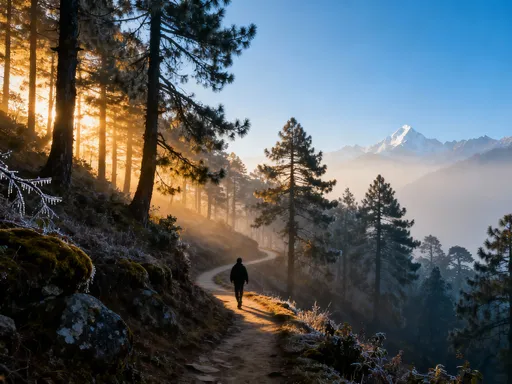
You Won’t Believe What I Found in Killarney’s Wild Heart
Have you ever stepped into a place so untouched it feels like the world paused just for you? That’s Killarney. Nestled in Ireland’s southwest, its lush forests, shimmering lakes, and misty mountains aren’t just scenic—they’re soul-stirring. I came for a weekend; I stayed because I couldn’t leave. This isn’t just travel—it’s transformation. And trust me, you need to see it to believe it.
The First Glimpse: Arriving in Killarney
Driving into Killarney feels like entering a living postcard. The road winds through emerald hills dotted with stone fences and grazing sheep, each turn revealing a new layer of green so vibrant it seems painted by nature’s own hand. As the town appears, its colorful shopfronts and chimneys puffing soft smoke welcome you with quiet charm. There’s a rhythm here—gentle, unhurried, deeply rooted in place. The main street bustles with visitors sipping tea in cafés or browsing hand-knit woolens, yet just a ten-minute walk beyond the center, silence returns. The contrast is striking: the warmth of community on one side, the wild hush of ancient woodland on the other.
This duality is part of what makes Killarney so special. Unlike destinations that feel entirely curated for tourists, this town exists in harmony with its surroundings. Locals still gather at the market on Saturdays, and the rhythm of life follows the seasons rather than the tourist calendar. Arriving here, you sense that you are not just visiting a place, but stepping into a way of being. The landscape doesn’t perform—it simply is. And that authenticity begins shaping your experience from the very first mile.
First impressions matter, especially in travel. A destination that greets you with natural beauty, unspoiled by overdevelopment, sets a tone of reverence. In Killarney, the air is cooler, crisper, carrying the scent of damp moss and wild thyme. Birds call from hedgerows, and the distant murmur of a stream replaces city noise. These subtle cues signal that you’ve entered a different world—one where nature leads and humans follow. For women in their thirties to fifties, many of whom carry the weight of daily responsibilities, this shift is not just refreshing; it’s restorative. The journey into Killarney is more than physical—it’s emotional preparation for what lies ahead.
Killarney National Park: Where Wilderness Comes Alive
At the heart of the region lies Killarney National Park, one of Ireland’s oldest and most cherished protected areas. Established in 1932 and expanded over decades, the park spans over 100 square kilometers of diverse ecosystems—from ancient oak and yew woodlands to open mountain slopes and serene lakes. It’s a sanctuary not only for visitors seeking peace but also for countless species that have thrived here for centuries. The park’s biodiversity is remarkable: it hosts Ireland’s only native herd of red deer, whose majestic stags can often be seen at dawn moving silently through the mist.
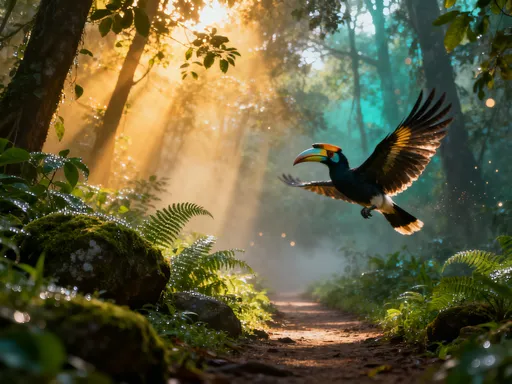
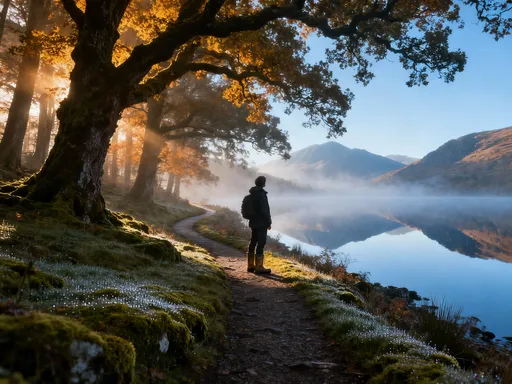
Walking through the park is like stepping into a primordial world. The oak trees, some over 400 years old, rise like cathedral pillars, their trunks wrapped in emerald moss and lichen. Sunlight filters through the canopy in golden shafts, illuminating ferns and wildflowers below. The sound of your footsteps is muffled by centuries of leaf litter, and the only interruptions are the rustle of a squirrel or the distant cry of a raven. There’s a stillness here that feels sacred, a reminder of how rare true quiet has become in modern life.
For many visitors, the park offers more than scenic views—it provides a rare opportunity to reconnect with nature on a deeper level. Early morning walks along the Dinis Cottage trail reveal a world waking up: the bubbling of a hidden stream, the flash of a kingfisher’s blue wing, the soft hoot of an owl retreating to sleep. These moments aren’t staged; they unfold naturally, inviting you to slow down and observe. The park doesn’t demand attention—it rewards patience. And for women who often give so much of themselves to family and work, this kind of mindful immersion can feel like a quiet act of self-care.
Killarney National Park is also a place of education and conservation. Interpretive signs along the trails explain the ecological significance of native woodlands and the efforts to restore habitats damaged by past logging or invasive species. Visitors learn about the importance of preserving old-growth forests and the role these ecosystems play in carbon capture and water filtration. The park isn’t just a scenic escape; it’s a living classroom, demonstrating how humans and nature can coexist sustainably. This balance—between access and preservation—is what makes the experience both enriching and responsible.
The Magic of the Lakes: Lough Leane, Muckross, and Upper Lake
The lakes of Killarney are its shimmering soul. Three main bodies of water—Lough Leane, Muckross Lake, and the Upper Lake—form a necklace of blue nestled among mountains and forests. Each has its own character, offering different perspectives on the region’s beauty. Lough Leane, the largest and lowest, reflects the surrounding hills like a mirror, especially at dawn when the water is still and the sky blushes with soft pinks and golds. Herons stalk the shallows, and swans glide silently past reed beds, their movements graceful and deliberate.
A boat trip across these lakes is one of the most peaceful ways to experience the landscape. Small electric-powered boats and traditional jaunting boats offer quiet passage, minimizing disruption to wildlife. As you glide across Lough Leane, the ruins of Innisfallen Abbey appear on a small island—a 7th-century monastery that once housed scholars and monks. Hearing the guide share stories of medieval life while surrounded by such tranquility creates a powerful sense of timelessness. It’s easy to imagine monks rowing to shore for supplies or students reading by candlelight, their lives shaped by the rhythms of nature.
Muckross Lake, slightly higher in elevation, feels more secluded. Surrounded by steep slopes and dense woodland, it’s a favorite spot for nesting birds and shy otters. On calm days, the reflection of the Purple Mountains shimmers so clearly it’s hard to tell where land ends and sky begins. The Upper Lake, the wildest of the three, lies deep within the park, accessible by boat or a long hike. Here, the water is colder, the wind stronger, and the sense of remoteness more profound. Eagles have been spotted soaring above, and the silence is broken only by the lap of waves against the shore.
While Muckross House and Gardens are often highlighted in travel guides, they serve best as a gateway to the natural wonders beyond. The 19th-century mansion, though elegant, is secondary to the surrounding trails and woodlands. The formal gardens are lovely, but it’s the adjacent nature paths—the ones that lead into the deeper forest or along the lake’s edge—that offer the most meaningful experiences. Visitors who linger here often find themselves drawn not to the grandeur of the house, but to the quiet beauty just outside its doors.
Hiking the Gap of Dunloe: A Path Through Geological Wonder
One of the most iconic experiences in Killarney is hiking the Gap of Dunloe, an 11-kilometer mountain pass carved by glaciers over 10,000 years ago. The trail winds between the MacGillycuddy’s Reeks to the south and the Purple Mountains to the north, offering dramatic views of narrow cliffs, rushing streams, and alpine valleys. The path begins near Kate’s Cottage, a small stone shelter that once served as a hunting lodge, and follows a dirt track that climbs gently before descending into the heart of the gap.
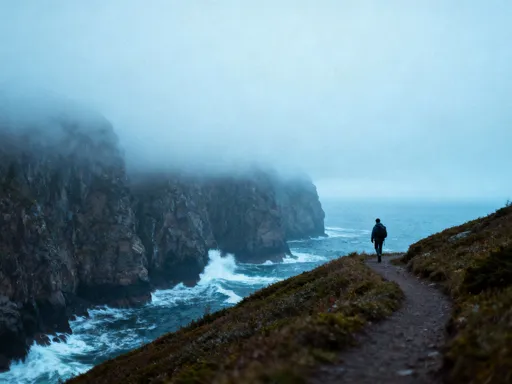
Walking through the Gap feels like traveling back in time. The rock walls rise steeply on either side, their surfaces streaked with water stains and dotted with hardy alpine plants. Streams cascade down the slopes, feeding into the River Loe, which meanders alongside the trail. On a sunny day, the water sparkles; on a misty morning, the entire scene feels dreamlike, as if the mountains are emerging from a legend. This is a place where geology tells a story—one of ice, pressure, and time—and every step brings a new chapter.
For those planning the hike, timing and preparation matter. The best months are late spring through early autumn, when the weather is more stable and the light lingers. Early morning is ideal for avoiding crowds, especially during peak season. Wear sturdy hiking boots—the path can be muddy after rain—and bring layers, as temperatures drop quickly at higher elevations. While the full route is moderately challenging, it’s manageable for most fitness levels, especially with breaks to admire the views. Some choose to cycle in, while others opt for a horse-drawn jaunting car for part of the journey—a charming nod to tradition.
Completing the Gap of Dunloe is more than a physical achievement; it’s an emotional one. The sense of accomplishment, paired with the raw beauty of the landscape, creates a deep sense of connection. Movement through nature—walking, climbing, breathing deeply—awakens something primal. For women who may spend much of their time in homes or offices, this kind of active immersion is both empowering and healing. The trail doesn’t just lead through the mountains; it leads inward, offering space for reflection, clarity, and renewal.
Hidden Trails and Secret Spots Only Locals Know
Beyond the well-trodden paths lie quieter corners of Killarney that offer solitude and intimacy with nature. The Old Kenmare Road, for instance, is an ancient track that once connected Killarney to the coastal village of Kenmare. Now largely unused, it winds through high moorland and quiet forest, offering panoramic views without the foot traffic. On a clear day, you can see across County Kerry to the Atlantic coast. Fewer visitors take this route, making it ideal for those seeking peace and a slower pace.
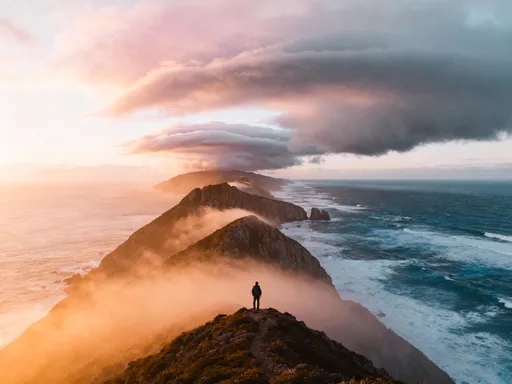
Another lesser-known gem is the back route up Torc Mountain. While many hike the main trail from the Torc Waterfall parking area, fewer venture along the northern path that starts near the Dinis Cottage loop. This trail is steeper and less maintained, but it rewards hikers with unobstructed views of the lakes and a sense of true wilderness. Reaching the summit at sunset, with the valley bathed in golden light, is a moment many carry with them long after they return home.
These hidden trails emphasize the value of slow travel—of wandering with intention, not just checking off sights. They invite you to listen: to the wind through pine needles, to the distant call of a curlew, to the crunch of gravel underfoot. They encourage you to notice small wonders: a spiderweb jeweled with dew, a fox disappearing into the bracken, the scent of bog myrtle after rain. These sensory details are what make a place unforgettable, not just photogenic.
Exploring off the beaten path requires responsibility. Staying on marked trails, carrying out all waste, and respecting wildlife are essential practices. The beauty of these hidden spots depends on preservation. By traveling mindfully, visitors help ensure that future generations can experience the same quiet magic. For women who value care and stewardship, this kind of travel aligns deeply with personal values—protecting what matters, one gentle step at a time.
Why Killarney Beats the Usual Tourist Trail
In an age of overtourism, where popular destinations often feel crowded and commercialized, Killarney stands apart. Unlike the packed streets of Dublin or the congested cliffs of Moher, Killarney offers accessibility without sacrificing authenticity. You can reach it by car, train, or bus, yet once you’re here, the natural world quickly takes over. There are no chain stores in the heart of the park, no loud tour groups blocking every viewpoint. Instead, there’s space—space to breathe, to think, to simply be.
This balance is intentional. Local authorities and conservation groups have worked for decades to protect the region’s ecological integrity while supporting sustainable tourism. Trails are well-maintained but not overdeveloped. Visitor centers provide information without overwhelming. Eco-certified accommodations and farm-to-table restaurants support the local economy without exploiting resources. Choosing Killarney is not just a personal escape; it’s a vote for responsible travel.
Moreover, the region’s focus on nature over spectacle encourages a different kind of engagement. Instead of chasing photo opportunities, visitors are invited to observe, listen, and reflect. The mountains don’t perform; the lakes don’t dazzle on command. Beauty here is subtle, unfolding slowly to those who pay attention. This kind of travel is not about consumption—it’s about connection. And in a world that often feels fast and fragmented, that connection is a rare and precious gift.
For women who seek meaningful experiences—whether on a solo trip, a family vacation, or a getaway with friends—Killarney offers something deeper than sightseeing. It offers restoration. It reminds us that nature is not a backdrop to life, but a vital part of it. And by choosing quieter, more sustainable destinations, travelers help protect these spaces for others to discover.
How to Plan Your Own Unforgettable Escape
Planning a trip to Killarney doesn’t require expert knowledge, but a few thoughtful choices can transform a good visit into an extraordinary one. A 2-3 day itinerary allows enough time to experience the highlights without rushing. Begin with a morning arrival, giving you daylight to explore the town and take a short walk in the national park. Spend the second day on the Gap of Dunloe or a lake cruise, and dedicate the third to a quieter trail or a visit to a local market.
Transportation options vary. Renting a car offers the most flexibility, especially for reaching remote trailheads. However, cycling is a scenic and eco-friendly alternative—many routes are bike-friendly, and rental shops in town provide well-maintained bikes. For those who prefer not to drive, guided tours and public buses connect major sites, though they may limit spontaneity. The key is choosing a mode that matches your comfort level and travel style.
When it comes to accommodations, consider eco-lodges, family-run guesthouses, or certified green hotels. Many use renewable energy, compost waste, and source food locally. Eating at restaurants that highlight regional ingredients—like fresh salmon, organic vegetables, and artisanal cheeses—supports sustainable agriculture and enhances the experience. A warm bowl of seafood chowder after a day on the trails is not just delicious; it’s a celebration of place.
The best seasons to visit are late spring (May–June) and early autumn (September–October). The weather is milder, the crowds thinner, and the landscape at its most vibrant. July and August bring longer days but also more tourists, so booking in advance is wise. Regardless of when you go, pack for changeable conditions—waterproof layers, comfortable shoes, and a sense of adventure.
Most importantly, approach Killarney not as a checklist of sights, but as an invitation to presence. Let the lakes reflect your thoughts. Let the forests quiet your mind. Let the mountains remind you of your own strength. This is not a destination to conquer, but to cherish.
Killarney isn’t just a destination—it’s a reminder of what the natural world can offer when we slow down and truly look. Its lakes, forests, and mountains don’t shout for attention; they whisper. And in that quiet, there’s a kind of magic no photo can capture. Go. Breathe. Remember why you travel.