You Won’t Believe These Hidden Cultural Gems in Bologna
Bologna, Italy, is more than just rich pasta and red rooftops. Tucked beneath its historic surface lies a living cultural scene most tourists never see. I wandered beyond the postcard spots and discovered intimate workshops, local traditions, and centuries-old crafts still breathing today. This isn’t the Bologna from travel brochures—it’s the real, beating heart of the city. If you’re craving authentic experiences over crowded attractions, keep reading.
Beyond the Food: Bologna’s Underrated Cultural Soul
Bologna is world-renowned for its culinary excellence—home to tagliatelle al ragù, mortadella, and creamy tortellini served in golden broth. These flavors draw millions to its medieval center each year, filling trattorias and food tours with eager travelers. Yet, this delicious reputation often overshadows a deeper, quieter truth: Bologna is also one of Italy’s most culturally rich cities, where tradition and creativity thrive beyond the kitchen. While food is undoubtedly part of its soul, reducing Bologna to a gastronomic destination alone is like reading only the first page of a novel and closing the book.
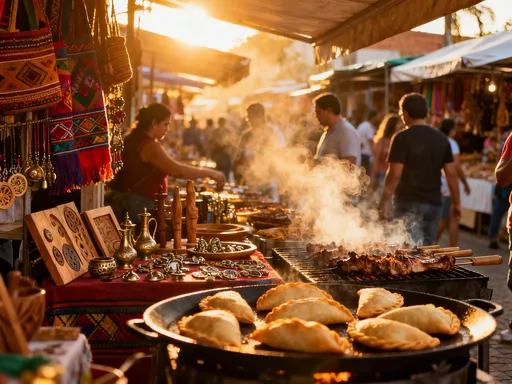
The city’s cultural soul lives in its rhythms—the way neighbors greet each other under the porticoes, the murmur of dialect in neighborhood markets, the hand-stitched embroidery passed down through generations. These are not staged performances for visitors but lived realities, sustained by families, artisans, and community groups who value continuity over spectacle. For travelers seeking meaningful connection, stepping into this authentic life offers rewards far beyond a perfect plate of lasagna.
What sets Bologna apart is its balance of history and vitality. Unlike cities that preserve culture behind glass, Bologna allows it to evolve in real time. Ancient crafts are not museum relics but working practices, and festivals are not tourist shows but neighborhood celebrations rooted in local identity. To experience this, travelers must shift their focus—from checking off landmarks to tuning into the city’s pulse. This means slowing down, observing, and engaging with humility. When done respectfully, such immersion transforms a visit into a genuine exchange, enriching both guest and host.
The Art of Craft: Secret Workshops in Medieval Alleyways
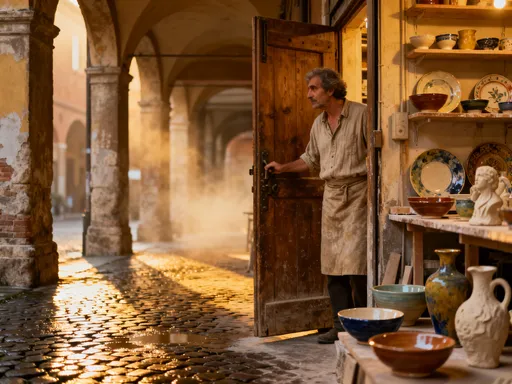
Wander through the narrow lanes of Bologna’s Quadrilatero district, and you might catch the scent of leather, the tap of a chisel on wood, or the soft rustle of handmade paper. These are the quiet signatures of artisan workshops that have operated in the same family for generations. Tucked behind unassuming doors, these studios preserve crafts that define Emilia-Romagna’s cultural heritage—ceramics with delicate botanical motifs, hand-bound books with tooled leather covers, and wooden instruments carved with precision. These artisans are not performers; they are custodians of knowledge passed down through decades, if not centuries.
One such workshop, hidden in a cobblestone alley near Piazza Maggiore, specializes in marbled paper, a technique introduced to Italy in the 16th century. The artisan, a woman in her sixties, dips combs into pools of colored pigments, swirling them into hypnotic patterns on water before transferring the design onto paper. Each sheet is unique, a blend of chemistry and intuition. She learned the craft from her mother, who learned it from her aunt, and now teaches it to a small group of apprentices. Her workspace is small—just a long table, shelves of pigments, and a drying rack—but it hums with quiet purpose.
Visitors are welcome, but not by default. These workshops are not tourist attractions; they are working studios where concentration matters. The best way to engage is through quiet respect. Some offer occasional open days or guided visits arranged through local cultural associations. Others allow brief, appointment-only tours for those who demonstrate genuine interest. When visiting, speak softly, ask permission before photographing, and avoid treating the space like a showroom. If you purchase a piece, do so not as a souvenir but as a tribute to the craft.
Supporting these artisans isn’t just about buying a beautiful object—it’s about sustaining a tradition. Each purchase helps keep a craft alive, allowing younger generations to consider it a viable path. Whether it’s a hand-bound journal, a ceramic bowl with a hand-painted rim, or a wooden comb carved from olive wood, these items carry stories. They are not mass-produced; they are made with intention, time, and care. For the traveler, they become more than mementos—they become connections.
Hidden Courtyards and Porticoes: Architecture with a Story
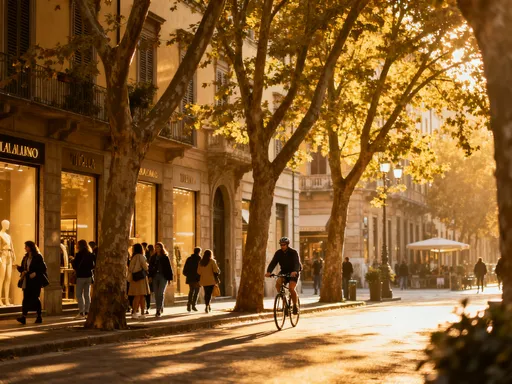
Bologna’s porticoes are among its most defining features—40 kilometers of covered walkways that snake through the city, supported by arches of brick, stone, and stucco. In 2021, UNESCO recognized them as a World Heritage Site, not just for their architectural beauty but for their role in shaping social life. These covered passages were never merely functional; they were designed as communal spaces—places to walk in the rain, to pause and chat, to set up a market stall, or to let children play under shelter. Today, they remain vital arteries of daily life, used by students, shopkeepers, and families navigating the city.
Yet beyond the main thoroughfares, tucked behind heavy wooden doors or up narrow staircases, lie Bologna’s hidden courtyards—cortili—that reveal another layer of urban intimacy. Cortile di San Salvatore, nestled behind a 12th-century church, is one such space. Enclosed by weathered brick and ivy-covered walls, it hosts a small garden, a stone fountain, and benches where university students study between classes. It is not listed in most guidebooks, nor does it have an entry fee. Access is granted through a side door during daylight hours, and visitors are expected to move quietly, respecting the space as a sanctuary.
These courtyards were originally part of noble residences or religious complexes, designed as private retreats. Over time, many were opened to the public or repurposed for community use. Some now house cultural centers, while others remain informal gathering spots. Their value lies not in grandeur but in atmosphere—the way sunlight filters through ancient trees, the echo of footsteps on stone, the sense of stepping outside time. For photographers, these spaces offer soft light and natural symmetry, but etiquette is essential. Avoid loud conversations, refrain from using tripods in narrow passages, and never block pathways for the sake of a shot.
The best time to visit is early morning or late afternoon, when the light is gentle and the crowds are thin. During midday, the porticoes bustle with shoppers and tourists, but by 7 a.m., they belong to locals—baristas setting up espresso machines, delivery workers unloading crates, elderly neighbors pausing for a chat. Walking through them at this hour, you experience Bologna as a living city, not a preserved monument. The architecture tells a story of resilience, adaptation, and community—a narrative written in arches, columns, and courtyards.
Living Traditions: Local Festivals Off the Tourist Radar
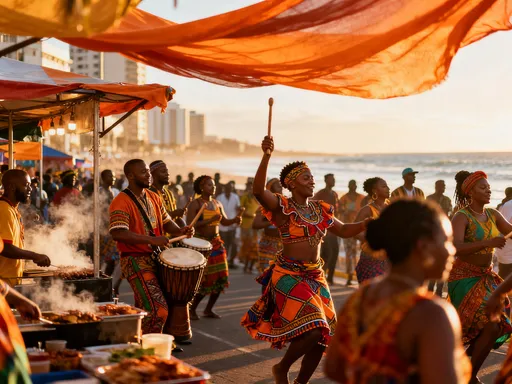
Every September, Bologna celebrates its patron saint, San Petronio, with a grand procession through the city. While the main event draws crowds, many of its quieter rituals unfold in neighborhood piazzas, away from the spotlight. In the Santo Stefano district, for instance, residents gather at dawn to bless small baskets of bread, wine, and herbs—a tradition dating back to the 17th century. There are no loudspeakers, no souvenir stands, just neighbors standing together under the portico, sharing stories and songs in the local dialect. These moments are not staged for visitors, but they are open to respectful observers.
Similarly, the autumn sagre—harvest festivals—offer a window into Bologna’s agricultural roots. In the hills just outside the city, villages host weekend-long celebrations centered around grape pressing, chestnut roasting, and homemade preserves. One such festival in the village of Monte Donato features a grape-stomping contest, live folk music, and long tables set up in the square where families share meals. These events are organized by local volunteer groups, and profits support community projects. Attendance is growing, but they remain accessible and uncommercialized.
For travelers, participating in these festivals means more than watching—it means joining. Locals appreciate those who bring a dish to share, clap along to traditional tunes, or simply sit and listen. There’s no pressure to perform, but a willingness to engage goes a long way. Many events include hands-on activities, such as pressing grapes by foot, kneading dough for communal bread, or learning a few steps of a folk dance. Children and adults alike are invited, creating intergenerational moments that reinforce community bonds.
Finding these events requires a bit of effort. They’re rarely advertised on international tourism sites. Instead, look for handwritten posters in neighborhood cafes, bulletin boards outside churches, or announcements in local newspapers like Il Resto del Carlino. Some cultural associations offer seasonal calendars in English. Timing is key—most sagre occur between September and November, while smaller religious observances align with the liturgical calendar. By planning around these dates, travelers can align their visit with moments of genuine cultural expression.
Underground Music and Theater: Bologna’s Indie Scene
Beneath the city’s classical façade lies a thriving underground arts scene, fueled by Bologna’s large university population and long tradition of intellectual freedom. In converted cellars, old warehouses, and repurposed theaters, independent musicians, actors, and performers test new work in intimate settings. Jazz, experimental theater, and indie folk find homes in venues like Auditorium Piazza Carlo V, a basement space known for its acoustics, or Teatro San Leonardo, a community-run stage that hosts student productions and experimental dance.
One standout venue is a jazz club housed in a 15th-century wine cellar beneath a former monastery. The walls are lined with stone, the air cool and still, and the seating sparse—just a few wooden benches and candlelit tables. Performances begin late, often after 10 p.m., and draw a mix of students, professors, and longtime music lovers. There’s no cover charge, but donations are encouraged. The music ranges from traditional Italian jazz to avant-garde improvisation, always performed with passion and precision. Conversations are hushed, not out of formality but reverence for the art.
Discovering these events requires local knowledge. While some listings appear on platforms like Eventbrite or Facebook, the best sources are word of mouth and neighborhood hubs. A regular at a local bar might mention an upcoming poetry-and-music night. A librarian might point you to a flyer for a puppet theater performance in a community center. Apps like Bologna Eventi offer curated updates in Italian, but even a simple question at a café—Che cosa c’è in programma stasera?—can open doors. Locals appreciate the effort to engage, even with limited language skills.
Supporting this scene means more than attending—it means participating ethically. Avoid treating these spaces as exotic curiosities. Sit quietly, applaud warmly, and contribute if possible. Some venues sell handmade programs or host donation-based workshops. Others welcome volunteers for setup or promotion. By showing up with respect, travelers become part of the ecosystem that keeps independent art alive in Bologna. In return, they experience creativity in its most raw and honest form.
Cultural Cafés and Social Libraries: Where Locals Connect
In a city that values conversation, certain spaces have emerged as hubs of cultural exchange—social cafés and community libraries that blend hospitality with intellectual life. Places like Casa del Popolo, a historic social center in the Bolognina district, host weekly poetry readings, political debates, and film screenings. The atmosphere is relaxed but purposeful, with mismatched furniture, bookshelves lining the walls, and a counter serving organic coffee and homemade pastries. There are no Wi-Fi passwords posted, no tourists typing on laptops—this is a space for presence, not productivity.
Similarly, independent bookshops like Libreria Cooperative Lovatelli have evolved into cultural salons. They host author talks, children’s storytelling hours, and language exchange meetups. Some operate on a donation-based model, others as cooperatives owned by members. What unites them is a commitment to accessibility and dialogue. Events are often free, and newcomers are welcomed without pretense. The language barrier can be a challenge, but many organizers make an effort to include non-Italian speakers, especially when topics are universal—climate, literature, art.
Participating in these spaces requires a shift in mindset. This is not tourism; it is temporary membership in a community. Greetings matter—a simple buongiorno to the person at the door sets the tone. Sitting quietly is acceptable, but so is asking a thoughtful question after a discussion. Bringing a small treat to share—like a homemade cookie—can be a gentle way to connect. The goal is not to dominate the conversation but to listen, learn, and contribute with humility.
These cafés and libraries are not hidden because they want to exclude—they are simply not designed for mass consumption. They thrive on regulars, continuity, and trust. When visitors approach them with respect, they are often embraced as temporary guests. In doing so, they gain access to a dimension of Bologna that no guidebook can capture—the warmth of shared ideas, the comfort of familiar faces, the quiet joy of belonging, even if just for an evening.
How to Experience Hidden Bologna Responsibly
Exploring Bologna’s hidden culture is a privilege, not a right. These traditions, spaces, and communities exist not for tourism but for life. The most meaningful visits are those that leave no trace except gratitude. This begins with awareness—recognizing that you are a guest in someone’s daily world. Whether entering a workshop, attending a local festival, or sitting in a community café, your presence should be gentle, observant, and considerate.
Simple practices make a difference. Speak softly in enclosed spaces. Ask before taking photographs. Learn a few basic Italian phrases—scusi (excuse me), grazie (thank you), posso entrare? (may I come in?)—not to impress, but to show respect. Greet shopkeepers and hosts by name if possible. When purchasing crafts or food, do so with intention, supporting small creators rather than mass-market vendors. Avoid sharing exact locations of private workshops or quiet courtyards on social media—preserving their integrity is part of responsible travel.
Slow travel is the best approach. Rushing through experiences turns culture into content. Instead, return to the same café, revisit a favorite alley, or attend a weekly event multiple times. Familiarity builds trust. Locals notice consistency, and over time, they may invite you deeper into their world. This is how real connections form—not through grand gestures, but through repeated, respectful presence.
Finally, remember that authenticity is not something to extract but to honor. The hidden Bologna does not need to be revealed to everyone. It simply asks to be seen, heard, and treated with care. When you walk its quiet lanes with this mindset, you don’t just visit—you belong.
Bologna’s true magic isn’t in its famous towers or busy markets—it’s in the quiet moments: a potter shaping clay, a street violinist under a portico, a shared smile at a neighborhood feast. These hidden cultural threads form the soul of the city. Travelers who look closely don’t just visit Bologna—they connect with it. Let your next trip be about more than sights. Seek stories. Listen. Belong.