You Won’t Believe These Banff Leisure Traps—We Fell Right Into Them
Banff is more than just pretty postcard views—it’s a playground for hikers, skiers, and anyone chasing mountain magic. But here’s the real talk: not all leisure spots are created equal. I learned this the hard way, wasting time and cash on overhyped venues while missing out on quieter, more authentic experiences. This is a no-fluff look at the common pitfalls around Banff’s most popular leisure spots—and how to actually make the most of them.
The Allure of Banff’s Iconic Leisure Scene
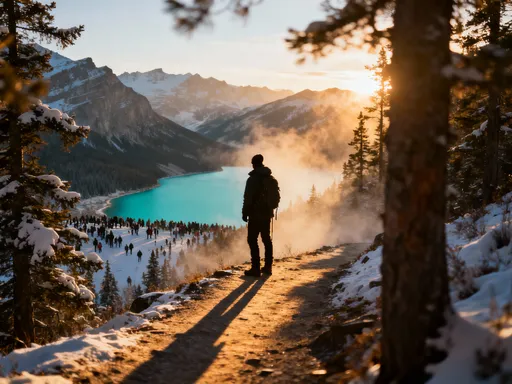
Banff National Park, nestled in the heart of the Canadian Rockies, has long stood as a crown jewel of North American outdoor recreation. Its sweeping alpine vistas, turquoise glacial lakes, and abundant wildlife draw millions of visitors each year. Places like Lake Louise, Moraine Lake, and the Banff townsite are more than destinations—they are cultural icons, frequently featured in travel magazines, social media feeds, and national branding campaigns. The magnetic pull of these locations is undeniable. For many, checking them off a bucket list is the ultimate travel triumph.
What makes these sites so compelling isn’t just their beauty, but the promise of effortless access to nature’s grandeur. Well-maintained trails, visitor centers, shuttle services, and nearby amenities make them highly convenient, especially for families and first-time visitors. The presence of social proof—seeing thousands of others post glowing photos—amplifies the sense of must-see urgency. This phenomenon, often driven by FOMO (fear of missing out), leads travelers to prioritize visibility over value.
Yet this widespread appeal comes with a trade-off. The very features that make these spots accessible—infrastructure, marketing, and popularity—also make them vulnerable to overcrowding, commercialization, and diminished personal connection with the environment. While Lake Louise’s mirror-like waters framed by Victoria Glacier are undeniably stunning, the experience of reaching them can feel more like navigating a theme park than communing with nature. The paradox is clear: the more people seek solitude in Banff’s wilderness, the harder it becomes to find.
Understanding this dynamic is the first step toward smarter travel. Recognizing that popularity does not automatically equate to fulfillment allows visitors to approach their trip with intention rather than impulse. The goal is not to dismiss Banff’s famous sites entirely, but to engage with them thoughtfully—knowing when to visit, how to prepare, and when to look beyond the obvious.
The Crowded Comfort Trap: When Famous Spots Backfire
One of the most common disappointments travelers face in Banff is the gap between expectation and reality at high-traffic leisure destinations. The Lake Louise gondola, for instance, promises panoramic views of alpine meadows and snow-capped peaks. In theory, it’s an ideal way to experience the mountains without strenuous hiking. In practice, visitors often spend as much time waiting in line as they do enjoying the scenery. During peak summer months, wait times can exceed two hours, even with advance reservations. The gondola cabins, while spacious, fill quickly, and the viewing areas at the top become congested, limiting space and photo opportunities.
Similarly, the Banff Upper Hot Springs—a historic attraction nestled on Sulphur Mountain—offers a soothing soak with mountain views. However, on weekends or holiday periods, the facility can feel more like a public pool than a tranquil retreat. Families with young children, large tour groups, and spontaneous visitors often lead to overcrowding. The lack of quiet zones and limited seating reduce the sense of relaxation that many come seeking. Showers and changing areas may also be in high demand, adding stress to what should be a calming experience.
Even scenic trailheads are not immune. The path around Lake Louise, while relatively flat and family-friendly, becomes a bottleneck during mid-morning to early afternoon. Pedestrian traffic moves slowly, and the desire to capture the perfect photo often leads to people stopping abruptly in narrow sections, creating minor but frustrating delays. The lakeshore itself offers little space to sit and absorb the view without sharing it with dozens of others.
This pattern repeats across multiple attractions: convenience breeds congestion. The infrastructure designed to welcome visitors also concentrates them, often at the expense of personal comfort and immersion. The emotional toll of navigating crowds—especially after long travel or with young children—can leave families feeling drained rather than refreshed. The irony is that many come to Banff to escape the pressures of daily life, only to encounter new forms of stress in the very places meant to offer relief.
Overpriced & Underwhelming: The Hidden Cost of Tourist-Focused Venues
Another significant trap in Banff’s leisure landscape is the financial burden imposed by tourist-centric pricing. In and around the most visited areas, the cost of basic services often reflects demand rather than value. Rental shops located near major trailheads, for example, may charge premium rates for ski equipment, snowshoes, or bike rentals—sometimes 20 to 30 percent higher than those in nearby towns or online services. While the convenience of renting close to the trail is understandable, the markup doesn’t always translate into better gear or service quality.
Dining is another area where costs can spiral. Restaurants along Banff Avenue or near Lake Louise frequently list entrees at prices well above urban averages. A simple meal—such as a burger and fries—can easily exceed $25 CAD, not including drinks or tip. While some establishments offer high-quality, locally sourced ingredients, others rely on the foot traffic of tourists who may not be comparison shopping. The result is that many families end up spending more than planned on meals that, while decent, don’t deliver exceptional taste or atmosphere.
Guided tours and activity packages also fall into this category. While professionally led excursions can enhance safety and deepen understanding of the region’s ecology and history, not all operators provide equal value. Some bundle basic hikes with minimal interpretation at premium prices, banking on the assumption that visitors will pay for the name rather than the experience. Without prior research, it’s difficult to distinguish between a worthwhile investment and a cash grab.
The emotional impact of these expenses is often underestimated. After several days of high spending, travelers may begin to feel buyer’s remorse, especially if the promised experience doesn’t match the cost. A $150 family photo session at a scenic overlook might yield attractive images, but if the process feels rushed or impersonal, the memory may carry more frustration than joy. Budget-conscious travelers—particularly those with children or extended stays—can quickly feel priced out of the very activities they came to enjoy.
Thankfully, smarter alternatives exist. Renting gear in Canmore or booking outdoor equipment online in advance can yield significant savings. Packing picnic lunches to enjoy at scenic viewpoints not only cuts costs but also allows for more flexible timing and personalization. Choosing local cafes just off the main drag, where prices are lower and service more relaxed, can lead to more authentic interactions and satisfying meals.
Missing the Real Magic: How Hype Distracts from Hidden Gems
Perhaps the most profound cost of following the tourist trail is what gets missed: the quieter, more intimate experiences that define the true spirit of Banff. While millions flock to Moraine Lake each year—often arriving before dawn to secure a parking spot—far fewer venture to lesser-known alpine lakes like Johnson Lake or Two Jack Lake. These spots, though smaller in scale, offer calm waters perfect for paddling, peaceful walking paths, and opportunities to spot beavers, loons, and deer without the hum of crowds.
Johnson Lake, for instance, features a gentle loop trail that circles a serene glacial lake, surrounded by evergreens and mountain views. Unlike Lake Louise, it has no commercial lodge, no souvenir shop, and no shuttle lines. Families can rent canoes or kayaks at a modest rate, enjoy a lakeside picnic, and spend hours in relative solitude. The absence of crowds allows for a deeper connection with nature—one where the sound of wind through the trees and the splash of an otter diving for fish become the day’s soundtrack.
Similarly, local community centers and recreation facilities often go unnoticed by tourists. The Banff Community Recreation Centre offers indoor swimming, fitness classes, and family programs at reasonable rates. While it lacks the historic charm of the Upper Hot Springs, it provides a clean, well-maintained environment with fewer crowds and more amenities for children. Locals frequent this space, and engaging with them—even briefly—can lead to valuable tips on trail conditions, wildlife sightings, or seasonal events.
Winter reveals its own set of overlooked opportunities. While Sunshine Village and Lake Louise Ski Resort draw the masses, nearby Mount Norquay offers a more intimate skiing experience with shorter lift lines and stunning night skiing options. Its terrain is challenging yet accessible, and its proximity to town makes it ideal for families who want to ski in the afternoon and be back for an early dinner. The vibe is more community-oriented, with a focus on enjoyment rather than spectacle.
These alternatives don’t require sacrificing beauty or adventure. Instead, they invite a shift in mindset—from chasing the most photographed spots to seeking meaningful moments. The magic of Banff isn’t confined to postcard views; it lives in the stillness of a morning fog over a quiet lake, the laughter of children spotting a chipmunk on a trail, or the warmth of a shared meal after a modest hike. By stepping off the beaten path, travelers often discover that the most memorable experiences are the ones no one told them to have.
Timing & Seasonality: Why When You Go Matters More Than Where
The timing of a visit can dramatically shape the quality of a leisure experience in Banff. Summer weekends, especially in July and August, bring the largest influx of visitors. National holidays like Canada Day or Thanksgiving weekend see park facilities operating at full capacity. During these periods, even lesser-known trails can feel crowded, parking lots fill by mid-morning, and shuttle services run on tight schedules. The result is a more rushed, transactional kind of tourism—one focused on checking boxes rather than savoring moments.
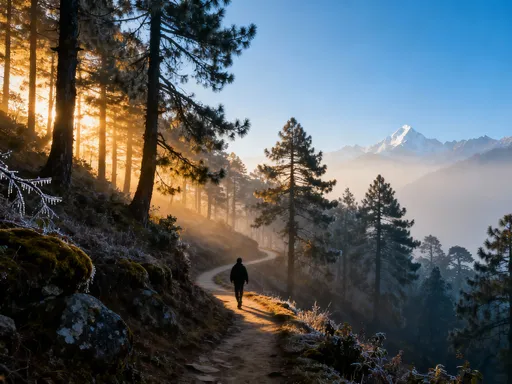
Shoulder seasons, by contrast, offer a more balanced experience. Late May to early June and September to early October bring milder weather, fewer crowds, and equally stunning scenery. In spring, wildflowers begin to bloom along forest edges, and rivers swell with snowmelt, creating dynamic views. In fall, the larch trees in areas like Larch Valley turn golden, offering one of the most breathtaking seasonal displays in the Rockies—without the summer throngs.
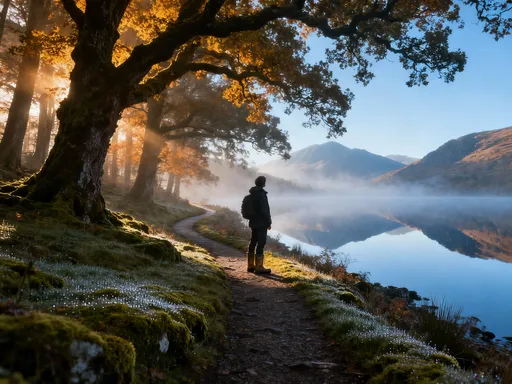
Even within a single day, timing makes a difference. Arriving at popular trailheads before 8 a.m. can mean the difference between solitude and congestion. Early risers often enjoy mist rising off lakes, fresh animal tracks in the snow, and the soft light of dawn filtering through the trees. Conversely, visiting mid-week instead of on weekends can reduce crowd density by as much as 50 percent, according to Parks Canada visitor flow data. Families who adjust their schedules slightly—perhaps shifting a hike from Saturday to Tuesday—often report feeling more relaxed and present.
Seasonal operations also affect access. Some trails, such as those at higher elevations, remain snow-covered well into June and may require microspikes or avalanche awareness. Others, like the Ink Pots near Johnston Canyon, are best visited in late summer when water levels are lower and footing is more stable. Planning around these natural rhythms—not just human schedules—leads to safer, more enjoyable outings.
For those seeking authenticity, aligning travel with nature’s pace rather than tourist peaks is a small but powerful shift. It requires flexibility and some research, but the rewards are significant: clearer views, quieter trails, and a deeper sense of connection to the landscape.
Planning Blind: The Pitfall of Relying Only on Apps and Influencers
In the digital age, travel planning often begins with a smartphone. Apps like TripAdvisor, Google Maps, and Instagram serve as modern-day guidebooks, offering reviews, photos, and ratings at our fingertips. While these tools are undeniably useful, overreliance on them can lead to a narrow, repetitive travel experience. Algorithms tend to promote the same highly rated, frequently visited spots, creating a feedback loop where popularity begets more popularity. As a result, travelers may unknowingly follow the same script: sunrise at Moraine Lake, lunch at the Fairmont Chateau Lake Louise, afternoon at Banff Gondola.
Influencer content amplifies this effect. Carefully curated images of alpine lakes at golden hour or stylish cafes with mountain views set high expectations. But these snapshots rarely show the two-hour wait for parking, the rainstorm that ruined the photo op, or the fact that the café was out of gluten-free options. The gap between curated content and real-life experience can lead to disappointment, especially for families managing the unpredictable needs of children or older relatives.
A more balanced approach includes digital research but also incorporates human insight. Park rangers at visitor centers provide up-to-date information on trail conditions, wildlife activity, and safety alerts. Their recommendations often highlight less crowded alternatives or seasonal highlights that don’t trend online. A casual conversation with a local barista or shuttle driver might reveal a favorite hidden trail, a great spot for stargazing, or a community event happening that weekend.
Visitor centers themselves are invaluable resources. Staffed by knowledgeable locals and seasonal experts, they offer maps, brochures, and personalized suggestions based on weather, ability level, and interests. Many also host free talks on ecology, history, and conservation, enriching the travel experience beyond sightseeing. Engaging with these resources doesn’t mean abandoning technology—it means using it as one tool among many.
The goal is to break free from the algorithmic echo chamber and rediscover the spontaneity and discovery that make travel meaningful. By blending online research with real-world conversations, travelers gain a more nuanced, flexible understanding of what Banff has to offer.
Smarter Leisure: How to Choose Better Experiences in Banff
Navigating Banff’s leisure scene with intention begins with self-awareness. Before booking a tour or selecting a trail, travelers should ask: What does a relaxing or enjoyable day look like for us? For some, it might mean a challenging hike with panoramic views. For others, it could be a quiet picnic by a stream or a leisurely bike ride through the forest. Defining personal priorities helps filter out distractions and focus on what truly matters.
A practical framework for better decision-making includes several key steps. First, assess crowd levels. Check Parks Canada’s official website for real-time trail reports and shuttle availability. Consider visiting popular sites early in the morning or on weekdays. Second, verify operating hours and reservation requirements. Many attractions now require timed entry or advance bookings, especially during peak seasons. Planning ahead avoids last-minute disappointments.
Third, actively seek alternatives. For every famous site, there is often a quieter counterpart nearby. Instead of Lake Louise, consider Bow Lake or Peyto Lake viewpoints along the Icefields Parkway. Instead of the gondola, hike the Sulphur Mountain trail for a similar view with more solitude. Fourth, prioritize comfort and safety. Choose activities that match the group’s fitness level and weather conditions. Pack layers, water, and snacks—especially when traveling with children.
Finally, embrace flexibility. Weather in the mountains can change rapidly. A planned hike might be rained out, but that could open the door to a visit to the Whyte Museum, a local art gallery, or a cozy afternoon at a tea house. Some of the most cherished family memories come from unplanned moments—watching elk graze near the golf course, sharing stories around a campfire, or spotting the Northern Lights on a clear night.
By making thoughtful, informed choices, travelers can move beyond the hype and craft a Banff experience that feels personal, peaceful, and genuinely rewarding. It’s not about rejecting the classics, but about integrating them into a broader, more balanced journey.
Conclusion
Banff’s leisure scene can be incredible—but only if you navigate it with eyes wide open. Avoiding the obvious traps isn’t about skipping classics; it’s about making intentional choices. With better awareness and flexibility, your mountain getaway can be as peaceful and authentic as it is unforgettable. The true magic of Banff lies not in the crowds or the price tags, but in the quiet moments of connection—with nature, with loved ones, and with yourself. By stepping back from the noise and tuning into what matters most, travelers can discover a deeper, more lasting kind of beauty. Let your journey be guided not by trends, but by presence. In the mountains, as in life, the best experiences are often the ones you create with care.