You Won’t Believe What I Found in Krabi’s Hidden Cultural Spots
Krabi isn’t just about limestone cliffs and turquoise waters—there’s a deeper soul to this Thai paradise. I went off the beaten path and discovered quiet temples, local art studios, and centuries-old traditions tucked away from the tourist crowds. These cultural gems surprised me with their authenticity and beauty. If you're looking for more than just beach vibes, Krabi’s local heritage might just blow your mind. What I found wasn’t in any travel brochure: the soft chime of temple bells at dawn, the scent of sandalwood drifting from wooden shrines, the sight of elders teaching children how to fold lotus blossoms for offerings. This is Krabi beyond the postcard—alive, rooted, and quietly inviting those willing to look closer. And what I learned changed how I travel forever.
Beyond the Postcard: The Side of Krabi Nobody Talks About
Krabi is often celebrated for its dramatic landscapes—towering karsts rising from emerald waters, secluded beaches accessible only by boat, and jungles humming with life. Yet beneath this natural splendor lies a cultural fabric that remains largely unseen by the average visitor. While Railay Beach buzzes with rock climbers and Phi Phi draws crowds with its turquoise bays, a quieter, more enduring Krabi thrives in its villages, temples, and family homes. This is a region shaped by centuries of maritime trade, Buddhist tradition, and agricultural rhythms, where culture is not performed for tourists but lived with quiet dignity.
The heart of this hidden Krabi beats in places like Ban Talae, a coastal fishing village where stilt houses sway gently above the tide. Here, mornings begin with nets being mended and boats being loaded with ice and bait. Children walk to school barefoot along wooden walkways, their laughter echoing over the water. The community gathers in the evening not around screens, but around shared meals and stories passed down through generations. There is no stage, no performance—only life unfolding as it has for decades. It’s a reminder that culture is not always loud or flashy; sometimes, it’s found in the rhythm of daily routines and the strength of community bonds.
Another overlooked gem is the network of small shrines scattered throughout the province. Unlike the grand temples that appear in guidebooks, these are modest wooden structures, often painted in faded reds and golds, nestled beneath banyan trees or beside rice fields. Locals stop by to light incense, place offerings of fruit, or simply sit in quiet reflection. These shrines are not tourist attractions—they are part of the spiritual landscape, places where gratitude and remembrance are woven into everyday life. To witness them is to understand that Krabi’s true beauty lies not only in what can be photographed, but in what is felt in stillness.
Temples with Stories: Discovering Krabi’s Spiritual Heart
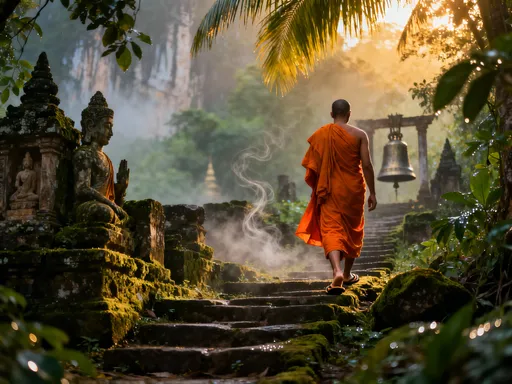
Among Krabi’s most profound cultural experiences are its temples, or wats, which serve as both spiritual sanctuaries and community anchors. Wat Kaew Korawaram, located in the heart of Krabi Town, is one such place. Though it welcomes visitors, it remains deeply rooted in local life. Every morning, monks in saffron robes walk silently through the temple grounds, collecting alms from residents who line the paths with bowls of rice and fruit. The air is thick with the scent of jasmine and incense, and the low murmur of chants rises like a gentle tide. This daily ritual, known as tak bat, is not a spectacle—it is a sacred act of giving and receiving, a practice that has sustained Thai Buddhist communities for centuries.
Perched high in the hills outside Krabi Town, Wat Tham Sua, or Tiger Cave Temple, offers a more immersive spiritual journey. The climb to the temple’s upper level—792 steps carved into the mountainside—challenges both body and spirit. But those who make the ascent are rewarded with panoramic views of the surrounding jungle and coastline, as well as a profound sense of peace. At the summit, a golden Buddha sits in meditation, facing east, while inside the nearby cave, centuries-old footprints believed to belong to a tiger and an enlightened monk are preserved as symbols of spiritual presence. The temple is still an active meditation center, where monks from across Thailand come to practice in silence and solitude.
What makes these temples so powerful is their role beyond worship. They are centers of education, hosting evening classes in scripture and meditation for locals. They serve as gathering places during times of joy and sorrow, where families celebrate weddings and mourn the departed. During the annual Kathina ceremony, the entire community comes together to offer new robes to the monks, a tradition that reinforces generosity and unity. To visit these temples with respect and curiosity is to witness the living heart of Krabi’s culture—one that values mindfulness, compassion, and continuity.
Art in the Making: Meeting Local Craftsmen in Krabi Town
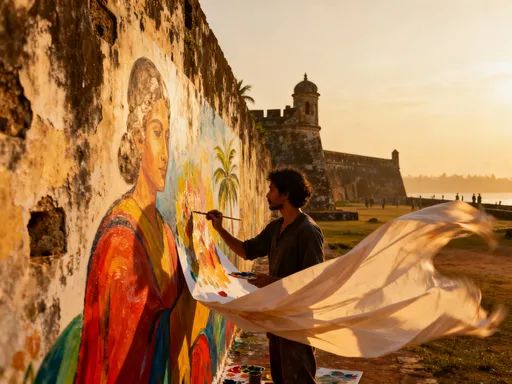
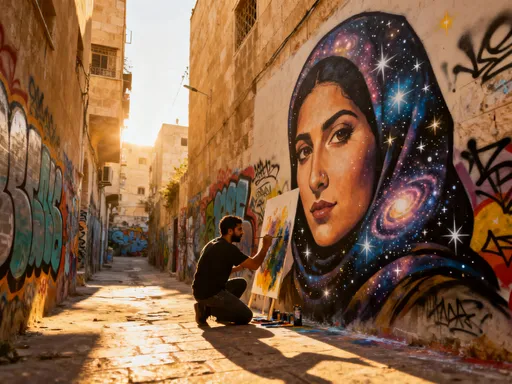
In the quieter corners of Krabi Town, away from the souvenir shops and beachfront cafes, a different kind of creativity thrives. Here, traditional craftsmanship is not a relic of the past but a living practice kept alive by skilled artisans. One such place is a small wooden workshop tucked behind a quiet alley, where a third-generation carver shapes intricate masks used in Thai dance and shadow puppet performances. With chisel in hand and eyes focused, he explains that each mask tells a story—of gods, demons, and heroes from ancient epics. The wood, usually teak or jackfruit, is carefully selected and cured, then carved with precision passed down through decades of family tradition.
Nearby, a silk weaver works at a handloom in her home studio, her fingers moving rhythmically as she creates patterns inspired by nature—lotus blossoms, swirling waves, and tropical birds. The process is slow and deliberate, taking days or even weeks to complete a single piece. The silk is dyed using natural pigments from plants like turmeric, indigo, and ebony, giving each fabric a unique depth of color. These textiles are not made for mass production; they are treasured heirlooms, often used in ceremonies or given as meaningful gifts. By supporting these artisans, visitors contribute directly to the preservation of cultural heritage.
Another remarkable craft is nang yai, or traditional Thai shadow puppetry. Though less common today, a few dedicated artists continue to create and perform with these large, intricately cut leather puppets. A visit to a local cultural center reveals a collection of puppets depicting scenes from the Ramakien, Thailand’s version of the Ramayana. During special events, performances are held under a backlit screen, with narrators and musicians bringing the stories to life. For children and adults alike, these shows are not just entertainment—they are lessons in morality, history, and artistry. These workshops and studios are open to respectful visitors, offering a rare chance to see tradition in motion and to connect with the people who keep it alive.
The Pulse of Tradition: Festivals That Bring Krabi to Life
Festivals in Krabi are not staged for tourists—they are deeply rooted in spiritual and communal life. One of the most striking is the Vegetarian Festival, locally known as Tesagan Gin Je. Observed primarily by the Thai-Chinese community, this nine-day event involves strict dietary restrictions, purification rituals, and acts of devotion. Participants wear white clothing as a symbol of purity and abstain from meat, alcohol, and stimulants. The festival’s highlight is the procession through Krabi Town, where devotees walk barefoot over hot coals, pierce their cheeks with metal rods, and carry sacred statues through the streets. These acts are not performed for spectacle but as expressions of faith, gratitude, and spiritual cleansing.
Another significant event is the Kathina ceremony, which takes place at the end of the Buddhist Lent season. During this time, communities come together to offer new robes and supplies to monks, a practice that dates back to the time of the Buddha. In Krabi, temples are beautifully decorated, and families prepare elaborate food offerings. Children participate by helping to sew the robe or carry lanterns in evening processions. The atmosphere is joyful yet reverent, filled with chanting, drumming, and the scent of lotus blossoms. This festival strengthens social bonds and reinforces the values of generosity and humility.
Equally vibrant is the Songkran Festival, the Thai New Year, celebrated with water fights across the country. In Krabi, while the beaches may see playful splashing, the villages observe the deeper traditions—pouring scented water over Buddha images, offering food to monks, and paying respect to elders by gently pouring water over their hands. These rituals symbolize purification, renewal, and gratitude. For visitors, experiencing these festivals offers a rare window into the values that shape daily life in Krabi—respect for ancestors, spiritual devotion, and the importance of community. They are not performances but living traditions, evolving yet deeply connected to the past.
From Farm to Temple: The Role of Local Food in Cultural Practice
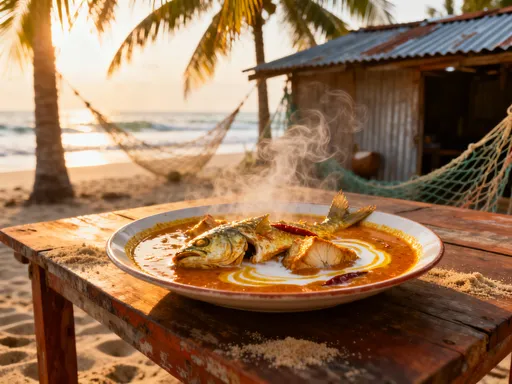
In Krabi, food is more than sustenance—it is a language of care, identity, and faith. Many dishes are tied to specific rituals, seasons, and beliefs, reflecting a deep connection between nourishment and spirituality. One such dish is kaeng som, a sour curry made with tamarind, turmeric, and fresh seafood or vegetables. Its bright, tangy flavor is believed to cleanse the body and awaken the senses, making it a common offering during festivals like the Vegetarian Festival. Prepared in large quantities by families and community groups, it is shared not only among loved ones but also brought to temples as an act of merit-making.
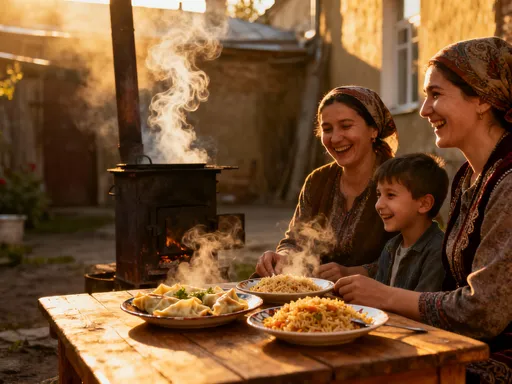
Another staple is khao yam, a fragrant rice salad packed with herbs, shredded coconut, and a tangy fish sauce dressing. Often eaten during the hot season, it is praised for its cooling properties and balance of flavors. In rural areas, it is customary to prepare khao yam in communal settings, where neighbors gather to chop ingredients and share stories. When served at temple events, it becomes more than a meal—it is a symbol of unity and shared blessings. Even the way food is presented carries meaning: offerings are arranged with care, often in banana leaves or woven baskets, reflecting respect for both the recipient and the effort involved.
Local markets play a vital role in this culinary culture. Early morning visits to Krabi’s fresh markets reveal an abundance of ingredients—mangoes, pineapples, galangal, kaffir lime, and river prawns—each with its own seasonal rhythm. Vendors, many of whom are farmers or fishers, take pride in their produce, often sharing tips on preparation or traditional uses. By purchasing directly from these markets, travelers support sustainable agriculture and gain a deeper appreciation for the origins of their meals. Cooking classes offered by local families further deepen this connection, allowing visitors to learn not just recipes, but the stories behind them—why certain ingredients are used, how dishes are adapted for festivals, and how food brings generations together.
How to Visit Responsibly: Blending In Without Standing Out
Exploring Krabi’s cultural sites is a privilege, not a right, and doing so with respect ensures that these traditions continue to thrive. One of the simplest yet most important practices is dressing modestly, especially when visiting temples or attending ceremonies. Shoulders and knees should be covered, and footwear removed before entering sacred spaces. This is not merely a rule—it is a sign of reverence for the local way of life. Carrying a lightweight scarf or shawl can be helpful for quick adjustments, allowing visitors to move seamlessly between beach and temple.
Photography should be approached with care. While it’s natural to want to capture beautiful moments, it’s essential to ask permission before photographing people, especially during rituals or private gatherings. Some ceremonies are deeply personal, and images taken without consent can feel invasive. Instead of focusing solely on taking pictures, consider being fully present—listening to the chants, observing the gestures, and absorbing the atmosphere. These memories often leave a deeper impression than any photograph.
Supporting community-led initiatives is another powerful way to travel responsibly. Opt for guided tours led by local residents, who can share authentic insights and ensure that income stays within the community. Purchase handicrafts directly from artisans rather than from mass-market shops, and inquire about the stories behind the items. When dining, choose family-run restaurants that use local ingredients, and don’t hesitate to try dishes that may be unfamiliar. Every choice has an impact, and mindful travel means making decisions that honor the culture rather than exploit it.
Why Cultural Discovery Changes Everything
Traveling to Krabi with the intention of seeing only its beaches and cliffs is like reading only the first page of a rich, multilayered story. The true depth of this destination reveals itself slowly—in the quiet of a morning chant, the careful stroke of a carver’s chisel, the shared laughter over a bowl of spicy curry. These moments do more than entertain; they transform. They shift our perspective from that of a spectator to that of a participant, from seeking novelty to seeking understanding.
What I discovered in Krabi’s hidden cultural spots was not just tradition, but resilience—the quiet determination of families to pass down their crafts, the dedication of monks to spiritual practice, the unity of communities during festivals. These are not relics frozen in time, but living expressions of identity, adapting yet enduring. To witness them is to be reminded of the value of slowness, of presence, of connection. It challenges the modern traveler’s habit of rushing from one highlight to the next, urging instead a pause, a breath, a moment of genuine engagement.
And perhaps most importantly, it fosters a deeper kind of gratitude—one that extends beyond the self. When we take the time to understand a culture on its own terms, we begin to see the world with greater empathy. We realize that beauty is not only in the landscape but in the way people care for one another, honor their ancestors, and celebrate life’s rhythms. Krabi, in all its quiet wisdom, invites us to slow down, to listen, and to carry these lessons home. Because the most meaningful journeys are not measured in miles, but in moments that change how we see—and how we live.