Where Street Art Meets Street Food in Vientiane
You know that feeling when a city surprises you? Vientiane did exactly that. I went for the temples, stayed for the art, and fell in love over a bowl of khao piak sen. This isn’t just a sleepy capital—it’s a canvas. From vibrant murals to food stalls turning tradition into flavor, Vientiane blends creativity and cuisine like nowhere else. The art isn’t in galleries—it’s on walls, in bowls, and on every corner. This is food culture, reimagined. It’s not loud or flashy, but deeply felt, quietly proud, and alive with meaning. In this city, beauty isn’t displayed behind glass—it’s served on banana leaves and painted on weathered brick.
First Impressions: A Quiet Capital with a Creative Pulse
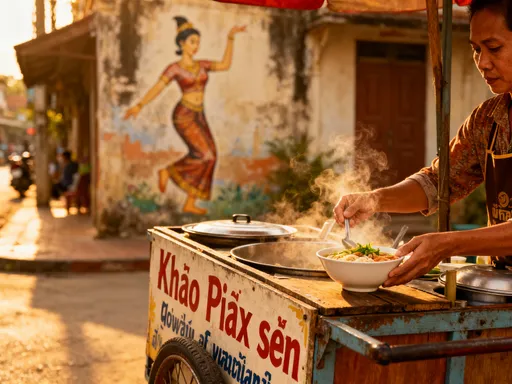
Vientiane unfolds slowly, like the Mekong at dawn. At first glance, it seems modest—low-rise buildings, tree-lined boulevards, and the golden spire of Pha That Luang rising in the distance. There are no skyscrapers, no neon chaos, no rush-hour frenzy. But beneath its calm surface, the city hums with creative energy. It’s not the kind of place that demands attention; it invites you to look closer. A faded stencil of a lotus flower on a backstreet wall. A hand-lettered sign advertising khao jee pâté in looping Lao script. A mural of a traditional lam saravane dancer, her movements frozen in color on the side of a market building. These details aren’t accidents—they’re the quiet expressions of a culture that values harmony, memory, and craftsmanship.
Unlike its more tourist-heavy neighbors, Vientiane doesn’t perform for visitors. Its authenticity isn’t curated; it’s lived. You’ll find art not in sterile galleries but in the everyday: the pattern of a vendor’s woven mat, the balance of colors in a fruit display, the care with which an elderly woman folds a banana leaf around a portion of sticky rice. These gestures are small, but they carry weight. They reflect a way of life that resists haste and honors the handmade. The city’s rhythm is gentle, but it’s not empty—it’s full of intention. And nowhere is this more evident than in the way art and food intertwine, each enhancing the other in subtle, meaningful ways.
What makes Vientiane unique is not the scale of its creativity, but its integration into daily life. Art isn’t something separate from the market, the kitchen, or the street—it’s part of them. A mural isn’t just decoration; it might tell the story of a local legend or honor a community elder. A meal isn’t just nourishment; it’s a reflection of season, family, and regional identity. This seamless blend is what gives the city its soul. For the mindful traveler, especially those who value tradition, authenticity, and quiet beauty, Vientiane offers something rare: a place where culture isn’t packaged, but practiced.
The Art of the Street: Murals, Markets, and Local Expression
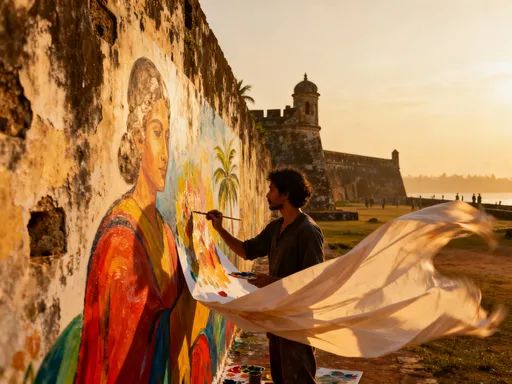
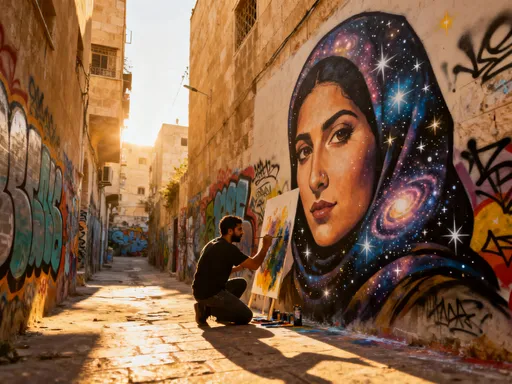
Walk through the neighborhoods of Sisattanak or Chanthabouly, and you’ll begin to see the city’s artistic language unfold. Unlike the commissioned murals found in global street art capitals, Vientiane’s public art often emerges organically—painted by local artists, students, or community groups who use walls as storytellers. These are not political statements or rebellious tags, but celebrations of Lao identity. You might come across a large-scale painting of a naga, the mythical serpent believed to guard the Mekong, its coils winding around a village scene. Or a depiction of women in traditional sinh skirts harvesting rice under a golden sun. These images are not just decorative; they are acts of cultural preservation, visual reminders of heritage in a rapidly changing world.
The murals are often collaborative, created during festivals or community events. Some are supported by local NGOs or cultural organizations aiming to revitalize urban spaces while honoring tradition. Others are simply the work of young artists expressing pride in their roots. What unites them is a shared aesthetic: bold lines, rich earth tones, and a focus on harmony between people and nature. There’s a quiet dignity in these works, a sense that art should uplift, not shock. And because they’re integrated into residential areas and market zones, they’re not treated as spectacles—they’re part of the neighborhood’s fabric.
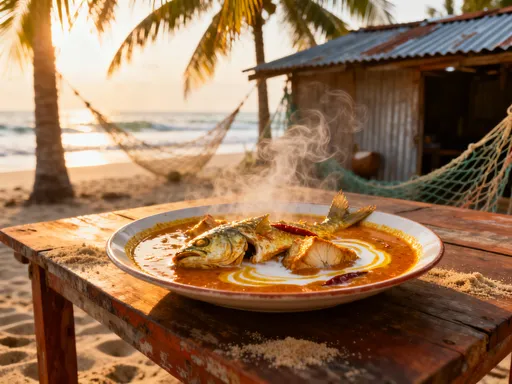
Equally important are the markets, which function as living galleries of sensory art. Talat Sao, the morning market, is a feast for the eyes: mounds of red chilies, baskets of wild herbs, pyramids of mangoes and dragon fruit arranged with intuitive precision. Vendors drape bolts of handwoven silk in cascading folds, their patterns echoing ancient motifs. The way a woman arranges grilled fish on a banana leaf—symmetrical, respectful, almost ceremonial—speaks to an unspoken design philosophy. This isn’t just commerce; it’s curation. Every stall is a composition, every transaction a moment of shared appreciation. In Vientiane, beauty isn’t reserved for special occasions—it’s present in the way food is displayed, the way signs are painted, the way life is lived.
Food as Folk Art: The Craft Behind Lao Cuisine
In Vientiane, cooking is not a trend—it’s a tradition passed down through generations, shaped by memory, season, and place. Lao cuisine is often misunderstood as simple or rustic, but those who take the time to understand it discover a deep philosophy at work. It’s a cuisine of balance: sour from lime, salty from fish sauce, sweet from palm sugar, spicy from chilies, and umami from fermented pastes. But more than flavor, it’s about process. The act of pounding fresh herbs and chilies in a stone mortar to make jaew dipping sauce is rhythmic, almost meditative. The careful folding of banana leaves around grilled fish or sticky rice parcels is both practical and poetic. These gestures are not hurried; they are deliberate, respectful, and full of care.
Consider laap, often called the national dish. It’s more than minced meat or fish mixed with herbs—it’s a ritual. The way it’s assembled matters: the order of ingredients, the balance of textures, the final sprinkle of toasted rice powder that adds both crunch and aroma. Each bowl is unique, shaped by the cook’s hands and the day’s harvest. Similarly, som tam, the green papaya salad, is not just a spicy side dish. It’s a performance—pounded fresh to order, the wooden pestle striking the mortar in a steady beat. The vendor’s skill lies not just in flavor, but in consistency, texture, and presentation. The dish is served not on a plate, but in the mortar itself, often wrapped in banana leaf—a nod to tradition and sustainability.
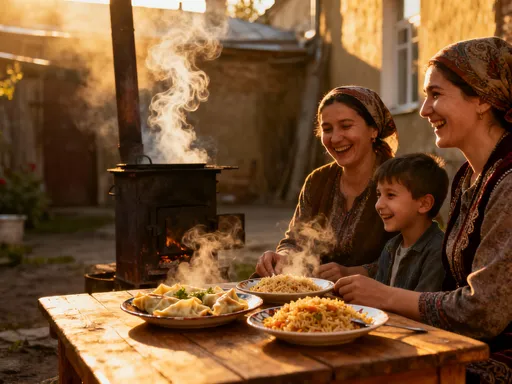
What sets Lao food apart is its humility. There are no molecular gastronomy tricks, no elaborate plating for Instagram. The beauty is in the authenticity, in the way a grandmother serves a bowl of khao piak sen—wide rice noodles in a clear broth, topped with scallions and crispy pork—with a quiet smile. This is food made for family, not fame. It’s nourishment with soul. And in a world where culinary trends come and go, Vientiane’s kitchens remain anchored in something deeper: a commitment to craft, community, and continuity. To eat here is not just to satisfy hunger, but to participate in a living tradition.
Flavors on Canvas: Street Food Stalls as Mobile Masterpieces
Some of the most beautiful art in Vientiane isn’t hung on walls—it’s served on plates at roadside stalls. These humble carts and tables are more than places to eat; they are expressions of individuality, pride, and creativity. Take the typical khao jee stall, where Lao baguette sandwiches are assembled with care. The baguette, a legacy of French influence, is toasted crisp, then filled with pâté, cilantro, cucumber, and chili. But it’s not just the ingredients—it’s the presentation. The sandwich is wrapped in colored paper, often hand-stamped with the vendor’s mark. The condiments are arranged in tiny glass jars, their vibrant hues catching the light. Everything is clean, organized, and visually pleasing.
Or consider the sai oua grills, where coils of herbal sausage sizzle over charcoal. The vendor might hang a hand-painted sign showing a smiling pig or a river scene. The sausages are sliced and served on a small plate with sticky rice and a side of fresh vegetables. Even the way the chili sauce is drizzled—just enough to add color without overwhelming—shows an eye for detail. These aren’t fast-food stands; they’re culinary studios, where taste and aesthetics go hand in hand. The experience is multisensory: the sizzle of meat, the aroma of lemongrass and kaffir lime, the visual harmony of the setup, and the warmth of the vendor’s greeting.
What makes these stalls so special is their personal touch. Many are family-run, operating from the same spot for decades. The owner might remember your order, or offer you a sample of a new dish they’ve been perfecting. There’s a trust built over time, a quiet relationship between maker and eater. And because these vendors aren’t chasing trends, they focus on perfecting what they do. A single stall might specialize in just two or three dishes, each prepared with precision and pride. In Vientiane, street food isn’t about convenience—it’s about connection. It’s where art becomes edible, and where every bite tells a story.
The Fusion of Senses: Art-Food Events and Cultural Spaces
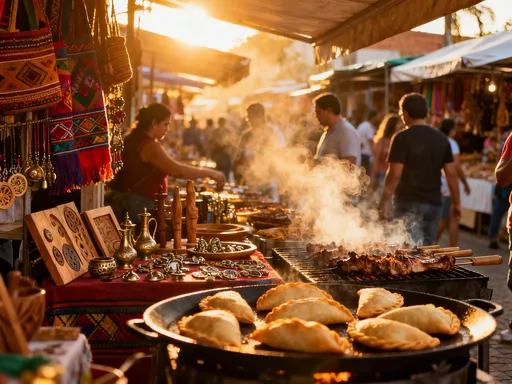
While daily life in Vientiane is already rich with creative expression, the city also comes alive during cultural gatherings that bring art and food into intentional harmony. Weekend markets, riverside festivals, and community events offer spaces where painters, musicians, and food artisans converge. One of the most beloved is the Talat Sao evening market, where the usual shopping district transforms into a vibrant hub of activity. Strings of lanterns glow above, live acoustic music drifts through the air, and long rows of stalls offer everything from hand-carved wooden bowls to embroidered textiles.
But it’s the food section that often draws the biggest crowds. Here, traditional dishes are presented with flair—mok pa (steamed fish in banana leaf) served on woven trays, khao nom kok (coconut-rice pancakes) arranged in floral patterns on banana leaves. Some vendors collaborate with local artists, using plates painted with Lao motifs or serving drinks in hand-thrown ceramic cups. These aren’t gimmicks; they’re thoughtful pairings that elevate the experience. You might sip a turmeric-infused iced tea while watching a painter capture the scene in real time, or enjoy a grilled chicken skewer while listening to a folk singer strum a khene (bamboo mouth organ).
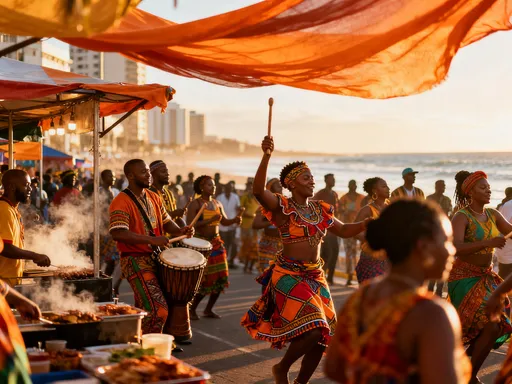
These events are not staged for tourists. They’re where locals gather to celebrate their culture, share meals, and support one another. Children run between stalls, elders sit on low stools exchanging stories, and young artists display their work on folding tables. The atmosphere is warm, inclusive, and unhurried. It’s a reminder that creativity thrives in community, and that food is one of the most powerful ways to bring people together. In these moments, art and nourishment are not separate—they are part of the same act of connection, a collective expression of who the people of Vientiane are.
How to Experience It: A Local’s Approach to Art and Eating
To truly appreciate Vientiane’s art-food culture, you must move with intention. Rushing through the city will only show you the surface. Instead, begin early in the morning, when the streets are still cool and the light is soft. This is when the city prepares—vendors set up their stalls, steam rises from pots of broth, and murals glow in the golden hour. Walk slowly. Pause. Watch. A woman kneading dough for khao jee might smile as she works. A painter might be touching up a mural, brush in hand. These quiet moments are where the city’s soul reveals itself.
When you eat, don’t just order and leave. Sit down. Make eye contact. Smile. Ask simple questions—“What’s in this?” or “How do you make it?” Many vendors appreciate the interest, even if your Lao is limited. A few basic phrases go a long way: “Sabaidee” (hello), “Khop chai” (thank you). Bring small bills, as change can be hard to come by. And wear comfortable shoes—you’ll want to wander, not rush.
Let your senses guide you. Notice the colors of the food, the textures of the market displays, the rhythm of the city. Don’t feel the need to photograph everything. Some moments are meant to be felt, not captured. Respect the space—ask before taking close-up photos of people, and never touch art or food without permission. This isn’t about consumption; it’s about presence. When you eat a bowl of khao piak sen from a grandmother’s stall, you’re not just having lunch—you’re sharing in her life’s work. That’s a privilege, not a transaction.
Why This Matters: Preserving Culture Through Creativity
Beyond the beauty and flavor, Vientiane’s blend of street art and street food represents something deeper: cultural resilience. In an era of global sameness, where cities increasingly look and taste alike, Vientiane holds fast to its own rhythm. Every mural, every family recipe, every hand-painted sign is a quiet act of resistance against erasure. These expressions are not just artistic—they are acts of memory, identity, and continuity. They say, “We are still here. We still remember. We still care.”
Supporting this ecosystem doesn’t require grand gestures. It means choosing the small stall over the chain café, buying from the local artist instead of the souvenir shop, listening to a vendor’s story instead of rushing to the next attraction. It means traveling with mindfulness, with respect, with gratitude. When you do, you become part of the preservation, not just the observation. You help ensure that future generations can still taste laap made the old way, still see murals that tell Lao stories, still feel the warmth of a shared meal under a painted sky.
For women in their thirties to fifties—many of whom value family, tradition, and meaningful experiences—Vientiane offers a profound reminder: that creativity doesn’t have to be loud to be powerful, that beauty can be quiet, and that culture is kept alive not in museums, but in kitchens, markets, and streets. This city doesn’t shout. It whispers. And if you listen closely, you’ll hear a story worth remembering.
Vientiane doesn’t shout. It whispers—through brushstrokes, through flavors, through the warmth of a shared meal. To visit is not just to see, but to taste, to feel, to understand. In a place where art feeds the soul and food tells a story, every moment becomes a quiet masterpiece.