You Won’t Believe What Nha Trang’s Terrain Hides – A Slow Traveler’s Dream
Nha Trang, Vietnam, isn’t just another beach destination. Beneath its turquoise waves and coastal charm lies a landscape that defies expectations—towering karst cliffs, hidden valleys, and volcanic islands rising from the sea. I spent two weeks moving slowly through this terrain, letting each step reveal something new. What surprised me most wasn’t the beauty, but how the land shapes the way you travel. When you slow down, the real Nha Trang begins to unfold—one ridge, cove, and quiet village at a time.
The First Glimpse: Arriving in Nha Trang with Fresh Eyes
Stepping off the bus from Da Lat, the air changes instantly. One moment, you're wrapped in the cool, pine-scented highlands; the next, the warm salt-kissed breeze of Nha Trang greets you like an old friend. The city stretches along a crescent bay, but what strikes you immediately is not the beach—though it’s lovely—but the way the land rises abruptly behind it. Jagged limestone peaks loom like ancient sentinels, their flanks cloaked in emerald foliage. This is no flat coastal strip; Nha Trang is cradled between mountain and sea, where elevation shifts create microclimates that surprise and delight.
Most travelers arrive with postcard images in mind: white sand, blue water, sunbathers. And yes, those exist. But beyond the resort-lined boulevard, the terrain tells a deeper story. The city’s geography is shaped by tectonic forces that pushed limestone from the ocean floor millions of years ago. Today, those formations dictate everything—the path of a morning walk, the layout of a village, even the way sunlight filters through a narrow cleft in the cliffs. As I walked from the station toward the coast, the temperature climbed, and the scent of grilling seafood mingled with damp earth and wild jasmine.
What sets Nha Trang apart is how accessible its wilder side remains. You don’t need to trek for hours to feel removed from the crowds. Just a short climb up a shaded trail behind the harbor, and the city’s hum fades. Suddenly, you’re standing on a rocky outcrop overlooking the bay, waves crashing against volcanic stone below. The contrast is striking: modern life unfolding at the water’s edge, while the ancient land watches silently from above. It’s this duality—between development and wilderness, between pace and stillness—that makes Nha Trang a perfect canvas for slow travel.
Why Slow Travel Fits Nha Trang’s Rugged Landscape
Rushing through Nha Trang is like skimming the surface of a deep book—you get the plot, but miss the meaning. The terrain here resists speed. Steep inclines, uneven paths, and sudden elevation changes naturally slow your pace. And in that slowness, you begin to notice things: the way fog clings to the mountain ridges in the early morning, how the color of the sea shifts from turquoise to deep sapphire as clouds pass overhead, or the soft clink of fishing nets being mended in a quiet cove.
During my stay, I chose to walk or cycle whenever possible. One morning, I rented a simple bicycle and followed a dirt path that wound inland from the beach. Within minutes, the traffic noise disappeared. The road narrowed, flanked by banana trees and flowering hibiscus. I passed small farms where women in conical hats bent over rice paddies, their movements rhythmic and deliberate. There were no signs, no tour groups—just the land and the people who know it intimately. That ride took two hours, covering less than ten kilometers. But it felt like a journey through time.
Slow travel in Nha Trang isn’t just a choice; it’s a response to the landscape. The terrain demands presence. You can’t speed past a hidden waterfall tucked behind a limestone wall. You can’t rush a conversation with a fisherman who invites you for tea on his boat. These moments unfold only when you allow them to. And the rewards are profound: a deeper connection to place, a quieter mind, and memories that linger long after the tan fades. In a world that glorifies speed, Nha Trang offers a gentle reminder—some things are meant to be savored, not consumed.
Coastal Cliffs and Hidden Coves: Exploring the Peninsula’s Edge
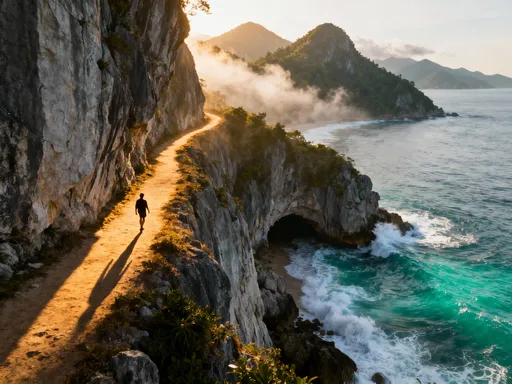
The coastline near Nha Trang is a masterpiece of erosion and time. Along the southern edge of the bay, near the Hon Chong promontory, the land juts out in dramatic formations of weathered limestone. These aren’t just scenic viewpoints—they’re gateways to secluded coves accessible only on foot or at low tide. One afternoon, I followed a narrow trail that hugged the cliffside, the path barely wide enough for two people. To my left, the rock rose in layered folds; to my right, the sea dropped away into deep blue.
After about twenty minutes, the path curved around a rocky headland, and suddenly, a small crescent beach appeared below—untouched, silent, framed by jagged outcrops. The sand was pale gold, scattered with shells and sea-smoothed stones. I scrambled down a steep, rocky descent—carefully, wearing sturdy shoes—and stepped onto the shore. There was no one else in sight. The only sounds were the rhythmic crash of waves and the cry of gulls circling overhead. It felt like discovering a secret the ocean had kept for centuries.
These hidden coves are fragile and fleeting. Some are reachable only during low tide; others are washed over completely during storms. That’s why timing and preparation matter. Always check tide schedules before setting out. Wear non-slip footwear with good grip—wet limestone is slippery and unforgiving. Carry water, a hat, and a basic first-aid kit. And above all, leave no trace. These places remain pristine because few find them. The more we respect their solitude, the longer they’ll endure. Exploring the peninsula’s edge isn’t about conquering terrain; it’s about moving through it with humility and awe.
Islands That Tell a Geological Story
Just offshore, the archipelago of Nha Trang rises from the sea like ancient guardians. Hon Tre, the largest island, is home to resorts and cable cars, but the smaller islets—many unnamed on tourist maps—hold quieter wonders. These islands are remnants of volcanic activity that shaped central Vietnam millions of years ago. Over time, erosion sculpted them into dramatic silhouettes: sea caves, natural arches, and cliffs that glow amber at sunset.
I spent a day exploring by traditional wooden boat, guided by a local fisherman who knew every tide pool and sheltered bay. As we drifted past a small islet, he pointed to a dark opening in the cliff—“Hang Ca,” he called it, the fish cave. Inside, the air was cool and damp, the walls glistening with moisture. Stalactites hung like stone icicles, and the echo of dripping water filled the chamber. Outside, seabirds nested in crevices, their calls bouncing off the rock faces.
These islands are more than scenic escapes; they’re living classrooms of geology. The volcanic rock is harder than the surrounding limestone, which is why these formations have resisted the sea’s pull for so long. Tide pools at their bases teem with life—crabs scuttle between rocks, anemones cling to crevices, and tiny fish dart through clear water. Visiting them slowly, by kayak or small boat, allows you to witness this ecosystem without disturbing it.
To travel responsibly, choose small-group tours that prioritize sustainability. Avoid operators who anchor on coral or allow guests to touch wildlife. Some community-run tours offer guided snorkeling with marine conservation talks—valuable experiences that support both education and preservation. When you approach these islands not as destinations to conquer but as fragile stories to witness, you become part of their protection.
Inland Valleys and River Routes: Beyond the Beach
While most tourists stay close to the coast, the inland terrain of Nha Trang reveals another world entirely. Just a short drive from the city, the landscape opens into rolling valleys where rivers carve through red soil and farmers work fields terraced into steep hillsides. The Ba Cao Valley is one such place—a quiet, fertile corridor where life moves at the pace of the seasons.
I spent a morning biking along a dirt road that followed a meandering stream. The air was rich with the scent of wet earth and blooming lotus. Children waved from bamboo bridges, and water buffalo stood knee-deep in irrigation ditches, their horns tipped with sunlight. Women carried baskets of harvested greens on shoulder poles, moving gracefully along narrow footpaths. There were no souvenir shops, no loudspeakers—just the steady rhythm of rural life, shaped by the land’s contours and climate.
The terrain here supports small-scale agriculture. Rice paddies cling to slopes, irrigated by natural springs and seasonal rains. Fruit trees—lychee, longan, rambutan—thrive in the volcanic soil. Some families welcome visitors for homestays or farm tours, offering meals made from what they’ve grown. I joined one family for lunch: grilled fish from their pond, steamed greens, and sticky rice wrapped in banana leaves. The food was simple, flavorful, and deeply connected to the place.
Traveling inland reminds you that Nha Trang is more than a beach town. It’s a region shaped by water, soil, and human resilience. And by slowing down—by choosing a bike over a bus, a footpath over a highway—you begin to see the threads that connect people to the land. These valleys don’t demand attention; they offer it quietly, to those willing to look.
How Terrain Influences Local Life and Food
The land doesn’t just shape the scenery—it shapes the soul of daily life. In Nha Trang, geography is destiny. The volcanic soil, rich in minerals, produces coffee with a deep, earthy flavor. Coastal cliffs protect natural bays where fish breed in abundance, supporting generations of fishing families. And the jungle-covered slopes yield herbs and roots used in traditional dishes for centuries.
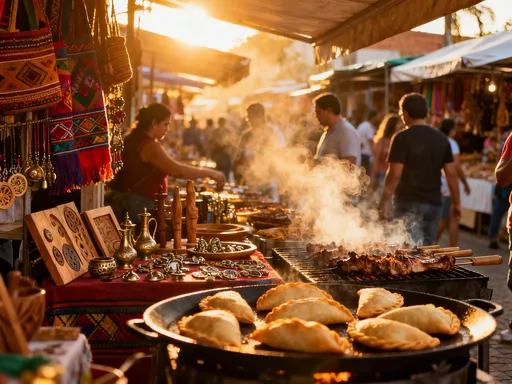
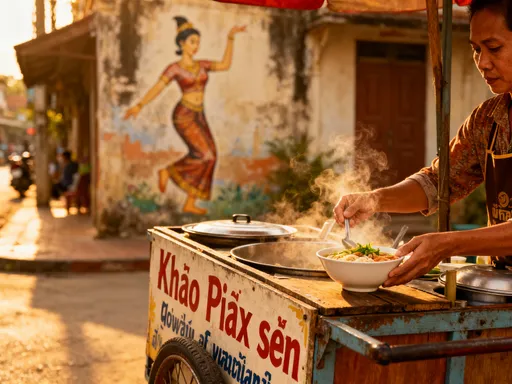
I visited a morning market near the river, where vendors displayed baskets of mango, dragon fruit, and starfruit—each grown in the surrounding valleys. Fishermen laid out their catch: silvery mackerel, spiny lobsters, and small shrimp perfect for making mam nem, the pungent fermented paste that flavors so many local dishes. A woman stirred a pot of bun cha ca, a fish noodle soup simmered with dill and turmeric, its aroma mingling with the salty air.
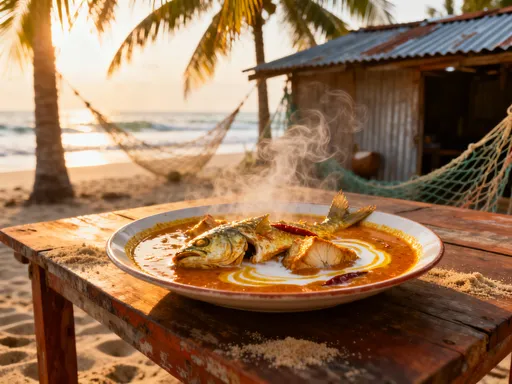
Every meal in Nha Trang tells a story of place. Grilled squid comes from boats that leave before dawn. Salads are made with herbs foraged from forest edges. Even the water tastes different—slightly mineral-rich, drawn from mountain springs. When you eat here, you’re not just consuming food; you’re tasting the terrain.
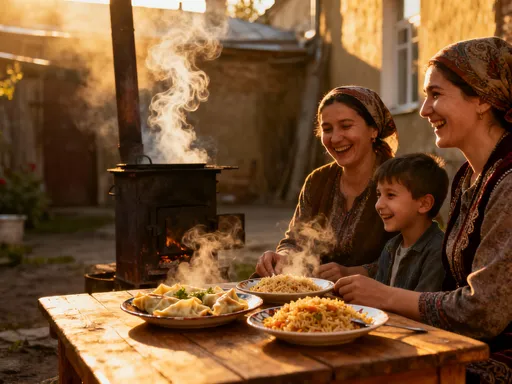
Family-run eateries, often just a few tables under a thatched roof, offer the most authentic experiences. I met a woman named Lan who runs a small riverside restaurant. Her grandfather was a fisherman; her father built the first bamboo platform over the water. Now, she serves his recipes—steamed fish with ginger and scallions, clay-pot tofu, and mango sticky rice. “The land gives us everything,” she said, smiling. “We just prepare it with care.” That philosophy—of gratitude, of connection—runs deep in Nha Trang’s culture.
Traveling Responsibly Through Fragile Landscapes
The beauty of Nha Trang is undeniable, but it is also fragile. Coastal erosion is accelerating. Some beaches are shrinking due to rising sea levels and unregulated construction. Coral reefs near popular islands suffer from pollution and overuse. And as tourism grows, the pressure on local ecosystems increases. The very features that draw visitors—the cliffs, the coves, the quiet valleys—are at risk of being loved too hard.
Responsible travel isn’t a trend; it’s a necessity. Simple choices make a difference. Stick to marked trails to prevent soil erosion. Avoid single-use plastics—carry a reusable water bottle and shopping bag. Choose accommodations and tours that support local communities and follow eco-friendly practices. When visiting villages, ask permission before taking photos. Respect sacred sites and private land.
Supporting community-based tourism is one of the most impactful actions. Homestays, local guides, and family-run restaurants keep income within the region and foster cultural exchange. When you eat at a village kitchen or hire a fisherman as your boat captain, you’re not just having an authentic experience—you’re helping sustain the way of life that makes Nha Trang special.
Slow travel, at its core, is an act of respect. It means moving with awareness, leaving minimal impact, and listening to the land. It means choosing depth over distance, connection over convenience. In Nha Trang, where the terrain speaks in quiet tones—through the rustle of leaves, the crash of waves, the scent of soil after rain—slow travel becomes a form of conversation. And the land, if you listen, will tell you its secrets.
The journey through Nha Trang’s terrain is not measured in miles, but in moments of wonder. It’s in the hush of a hidden cove, the warmth of a shared meal, the quiet pride of a farmer in his field. When you slow down, the landscape reveals itself not as a backdrop, but as a living, breathing presence. It teaches patience, humility, and gratitude. And it reminds us that the best way to see a place is not with your eyes alone, but with your heart. So come with curiosity. Walk gently. Let the land guide you. And discover the Nha Trang few ever truly know.