Lost in the Mist: Kathmandu’s Wild Side You Never Knew Existed
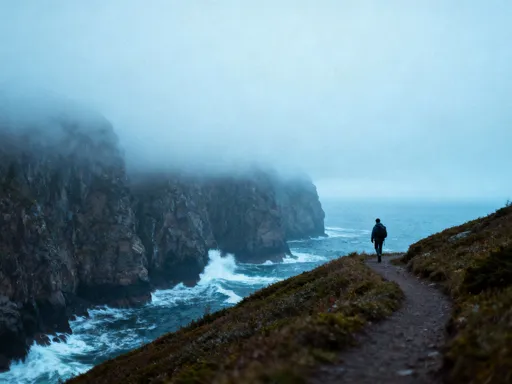
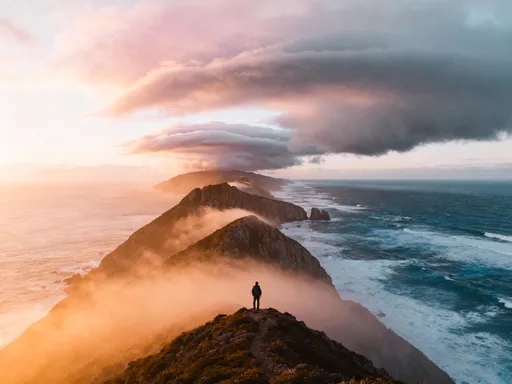
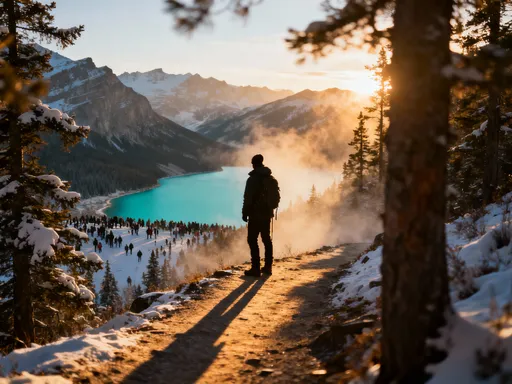
Kathmandu isn’t just ancient temples and bustling streets—hidden beyond the city’s chaos lies breathtaking natural beauty waiting to be discovered. I wandered off the usual path and found serene forests, sacred rivers, and mountain views that took my breath away. This isn’t your typical tourist trail; it’s a quiet escape where nature and culture quietly intertwine. If you’re craving authenticity, let me show you a side of Kathmandu most travelers completely miss. Away from the honking rickshaws and crowded markets, the hills whisper with birdsong, rivers carry prayers downstream, and morning mist clings to forested ridges like a soft veil. This is not just travel—it’s transformation.
Beyond the Temples: Rediscovering Kathmandu’s Natural Soul
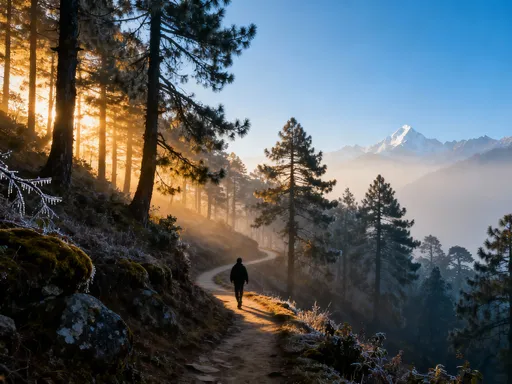
Kathmandu is often celebrated for its spiritual depth and architectural grandeur. The golden spires of Pashupatinath, the prayer wheels of Boudhanath, and the centuries-old palaces of Durbar Square draw millions seeking cultural connection. Yet, for all its historical richness, a quieter, equally powerful dimension of Kathmandu remains overlooked—its proximity to untouched nature. Just beyond the city’s edge, where concrete gives way to green, the landscape transforms. Hills rise like gentle waves, cloaked in pine and rhododendron, while trails wind into valleys where the only sounds are rustling leaves and distant temple bells. This juxtaposition—urban energy meeting wild serenity—is what makes Kathmandu unique among global capitals.
Stepping into this natural realm isn’t merely a scenic detour; it’s an essential complement to cultural immersion. Studies in environmental psychology suggest that even brief exposure to green spaces reduces cortisol levels, enhances mood, and improves cognitive clarity. For travelers navigating the sensory overload of Kathmandu’s streets, a walk through its surrounding hills offers not just relief but renewal. The rhythm of footsteps on a forest path, the scent of damp earth after rain, the sight of sunlight filtering through tall trees—these experiences ground us. They restore balance. And in that balance, we become more present, more open to the deeper meanings of the places we visit.
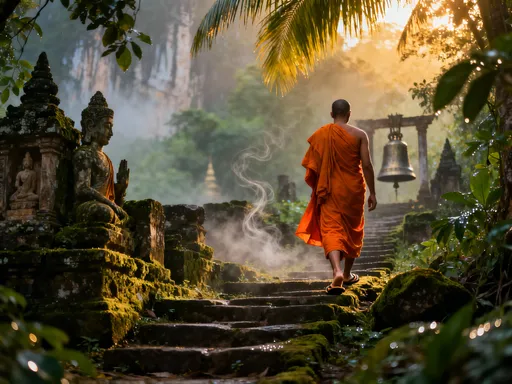
What’s remarkable is how accessible this natural sanctuary is. Within 30 minutes by car or even on foot from certain neighborhoods, the city’s noise fades. You’re no longer a spectator of culture—you’re immersed in a living landscape shaped by both nature and tradition. Farmers tend terraced fields the same way their ancestors did. Monks walk forest trails for meditation. Rivers are not just waterways but sacred conduits of life and ritual. To experience Kathmandu this way is to understand it not as a destination of monuments, but as a region where spirituality and ecology are deeply intertwined. This is the soul of Nepal, quietly pulsing just beyond the tourist map.
Hiking the Hidden Trails of Shivapuri Nagarjun National Park
Nestled in the northern rim of the Kathmandu Valley, Shivapuri Nagarjun National Park is one of the most underrated natural treasures in South Asia. Spanning over 159 square kilometers, this protected area serves as a vital watershed for the city’s drinking water and a sanctuary for biodiversity. Yet, to the mindful traveler, it is something more: a place of quiet wonder, where every trail leads deeper into stillness. The park is easily reachable from central Kathmandu—about a 45-minute drive—yet feels worlds away. As you ascend from the valley floor, the air grows cooler, the light softer, and the sounds of traffic give way to birdsong and the whisper of wind through coniferous trees.
The park’s network of trails caters to all levels of hikers. For those seeking a gentle introduction, the route from Tokha to Shivapuri Base Camp is ideal. Winding through dense stands of oak, pine, and rhododendron, this 8-kilometer path offers panoramic views of the valley below. Along the way, it’s common to spot langur monkeys leaping between branches or hear the call of the Himalayan cuckoo echoing through the mist. Birdwatchers will be delighted—over 300 species have been recorded here, including the colorful scarlet minivet and the elusive impeyan pheasant, Nepal’s national bird.
For a more immersive experience, the longer trek to Shivapuri Peak (2,732 meters) rewards hikers with sweeping views of the Himalayas on clear days. The ascent is moderate, taking about 4–5 hours round-trip, and passes sacred sites like the Bhadrakali Temple and a meditation hermitage used by local monks. This blend of natural and spiritual significance is what makes the park so special. You’re not just walking through a forest—you’re moving through a landscape imbued with reverence.
Visitors should come prepared. Lightweight hiking shoes, a refillable water bottle, and a light rain jacket are essential, as mountain weather can shift quickly. The best time to visit is from September to November and March to May, when skies are clear and temperatures mild. Entry permits are required and can be obtained at park gates. To minimize environmental impact, travelers are encouraged to follow Leave No Trace principles—carry out all waste, avoid loud noises, and stay on marked trails. Local guides are available and highly recommended, not only for navigation but also for insights into medicinal plants, bird calls, and the cultural stories tied to the land.
The Sacred Flow: Walking Along the Bagmati River Beyond the City
The Bagmati River holds a complex place in the heart of Kathmandu. In the city center, it is often associated with pollution and neglect, flowing past crowded ghats and informal settlements. Yet, this perception tells only part of the story. Upstream, where the river begins its journey from the Shivapuri hills, the water runs clear and cold, flanked by terraced banks and shaded by fig and peepal trees. Here, the Bagmati is not a symbol of decay but a living artery of culture and ecology. Walking along its quieter stretches—near Chovar Gorge or the village of Thalakot—offers a rare glimpse into how nature and tradition coexist in harmony.
The river’s spiritual significance in Nepali Hinduism cannot be overstated. It is believed to be a manifestation of the goddess Bagmati, a form of Parvati, and is considered purifying. Rituals, including prayers and offerings, are performed along its banks, especially during festivals like Shivaratri and Teej. But beyond the religious context, the river supports a delicate ecosystem. Freshwater fish, kingfishers, and even otters have been spotted in its upper reaches. Farmers use its waters to irrigate rice paddies, and children bathe in its shallows during summer months.
Walking the trails that follow the Bagmati upstream is a meditative experience. The path from Chovar to Kirtipur, for instance, takes about two hours and passes through shaded groves and small stone villages. You’ll see women washing clothes on flat rocks, men fishing with handmade nets, and farmers guiding water buffalo through flooded fields. It’s a portrait of rural life that persists despite the city’s expansion. Travelers are asked to respect local customs—dressing modestly, avoiding loud behavior, and not littering. Photography should be done with permission, especially when capturing people or religious sites.
Conservation efforts are underway to protect the river’s upper reaches. Community-led initiatives promote reforestation, waste management, and eco-tourism. Some local organizations offer guided walks that educate visitors about the river’s ecological and cultural value. By choosing to explore these areas responsibly, travelers contribute to preservation while gaining a deeper understanding of Nepal’s relationship with water as both a resource and a sacred gift.
Garden Serenity: Discovering the Hidden Green Spaces Within the City
Even in the heart of Kathmandu’s urban sprawl, pockets of tranquility exist—oases where nature thrives and the pace of life slows. Among the most cherished are the Godavari Botanical Garden and the Jawalakhel Vulture Conservation Center. These spaces may not appear on every tourist itinerary, but for those seeking respite, they are invaluable. Located just south of the city center, Godavari is a lush retreat established in the 1930s during the Rana dynasty. Today, it spans over 60 hectares and houses more than 600 species of plants, including rare orchids, towering ferns, and medicinal herbs used in traditional Ayurvedic practices.
Walking through Godavari feels like stepping into a living museum of Himalayan flora. Pathways meander past lotus-filled ponds, rose gardens, and bamboo groves that sway gently in the breeze. Benches tucked under shady trees invite quiet reflection. Birdwatchers often spot bulbuls, sunbirds, and the vibrant blue magpie. The garden’s elevation offers gentle views of the surrounding hills, and on clear mornings, the snow-capped Langtang range glimmers in the distance. It’s a place where families picnic, students read under trees, and travelers recharge before continuing their journey.
Nearby, the Jawalakhel Vulture Conservation Center offers a different kind of natural encounter. Once home to the critically endangered Himalayan white-rumped vulture, this sanctuary plays a vital role in protecting Nepal’s avian biodiversity. While direct viewing of the birds is limited for conservation reasons, the center provides educational exhibits and guided tours that explain the importance of vultures in the ecosystem—how they prevent disease by cleaning carcasses and maintain ecological balance. The surrounding area is peaceful, with open grasslands and scattered trees, making it ideal for a slow, mindful walk.
What makes these green spaces so valuable is their accessibility. Unlike remote trekking destinations, they require no special gear or permits. They are open to all—locals and visitors alike—and serve as daily reminders that nature need not be far to be healing. For a mother traveling with children, a retiree seeking calm, or a woman on a solo journey, these gardens offer a safe, welcoming environment where one can breathe deeply and reconnect with the earth.
Sunrise at Nagarkot: When Mountains Meet the Morning Light
For many, the Himalayas remain a distant dream—a postcard image of snow-capped peaks shrouded in myth. But from Nagarkot, just 32 kilometers east of Kathmandu, that dream becomes real. Perched on a ridge at 2,195 meters, this hilltop destination offers one of the most accessible and breathtaking views of the eastern Himalayas. On a clear winter morning, the first rays of sunlight paint the peaks of Everest, Langtang, and Gaurishankar in hues of gold and rose. The sight is not just beautiful—it’s humbling. It stirs something deep within, a quiet awe that lingers long after the sun has risen.
The journey to Nagarkot takes about two hours by car, depending on traffic. Shared jeeps and private transfers are readily available, and several eco-lodges and guesthouses offer overnight stays with mountain-facing rooms. To witness sunrise, it’s best to arrive the night before and wake before dawn. The air is crisp, the sky dark, and as light slowly spreads across the horizon, the silhouettes of the peaks emerge, one by one, like ancient sentinels. The experience is best enjoyed in silence, with a warm cup of Nepali tea in hand, allowing the vastness of the landscape to settle into your soul.
Nagarkot is more than a viewpoint—it’s a destination for slow travel. Beyond sunrise, visitors can explore local trails through terraced farms and rhododendron forests. The village itself retains a traditional charm, with stone houses, community temples, and farmers tending their fields. Cultural homestays offer opportunities to learn about local customs, share meals with families, and participate in seasonal festivals. For women travelers, especially those in their 30s to 50s, Nagarkot provides a safe, welcoming environment where solitude and connection coexist.
To avoid crowds, visit during the shoulder seasons—late September to early November or March to early April. Mid-winter offers the clearest skies but can be cold, so pack warm layers. Early mornings are often foggy, so patience is key. The reward is not just the view, but the sense of peace that comes from witnessing nature’s grandeur in stillness. In that moment, the worries of daily life—family schedules, work pressures, the noise of modern living—fade into insignificance.
Why Wandering Works: How Nature Walks Transform Travel
In an age of curated itineraries and photo-chasing tourism, the simple act of wandering—without destination, without agenda—has become radical. Yet, it is precisely this unhurried movement through nature that offers the deepest rewards. Research in environmental psychology consistently shows that walking in natural settings reduces stress, lowers blood pressure, and improves emotional well-being. A study published in the journal *Frontiers in Psychology* found that participants who walked in forests reported significantly lower levels of anxiety and rumination compared to those in urban environments. The effect is not just psychological—it’s physiological. Exposure to phytoncides, natural compounds released by trees, has been linked to improved immune function.
For the modern traveler, especially women managing households, careers, and caregiving, these benefits are profound. A walk through Kathmandu’s hidden trails is not a luxury—it’s a form of self-care. It allows space to breathe, to think, to remember who you are beyond roles and responsibilities. Unlike checklist tourism, where the goal is to “see everything,” wandering invites presence. It teaches us to notice—the way light dances on a river, the sound of a distant flute, the feel of moss underfoot. These small sensations accumulate into a larger sense of renewal.
There is also a spiritual dimension to mindful walking. In many cultures, including Nepal’s, walking has long been a form of meditation. Pilgrims walk for days to reach sacred sites. Monks walk forest paths in silence. When we move slowly through nature, we align ourselves with its rhythms. We stop chasing and start receiving. This shift in mindset transforms travel from consumption to connection. Instead of collecting photos, we collect moments of clarity. Instead of ticking boxes, we open doors—to wonder, to gratitude, to inner peace.
Moreover, unplanned exploration often leads to the most authentic encounters. A shared smile with a farmer on a trail. A spontaneous conversation with a local child. The discovery of a hidden waterfall. These are the memories that endure, not because they were scheduled, but because they were real. They remind us that travel is not about perfection—it’s about presence. And in that presence, we find not only the world but ourselves.
Planning Your Own Nature-Focused Escape in Kathmandu
Creating a meaningful, nature-centered journey in Kathmandu is simpler than many assume. The key is balance. Begin by allocating at least two to three days of your visit to outdoor experiences. Pair a morning at Swayambhunath with an afternoon hike in Shivapuri. Visit Pashupatinath in the morning, then spend the late afternoon at Godavari Garden. This rhythm—culture in the day, calm in the evening—creates a harmonious travel experience that honors both mind and spirit.
When planning, consider the seasons. The best times for clear mountain views and comfortable temperatures are autumn (September to November) and spring (March to May). Winter (December to February) offers crisp skies but can be cold, especially at higher elevations. The monsoon season (June to August) brings lush greenery but frequent rain and leeches on trails, so extra preparation is needed. Always check weather forecasts and trail conditions before setting out.
Packing wisely enhances comfort and safety. Essential items include a lightweight backpack, sturdy walking shoes, a reusable water bottle, sunscreen, and a compact first-aid kit. For early morning trips like Nagarkot, bring warm layers—even in summer, mountain mornings can be chilly. A small notebook or journal is a thoughtful addition for reflecting on your experiences. Avoid single-use plastics and carry a cloth bag for snacks or souvenirs.
Transportation options are varied. Shared jeeps are affordable and widely used by locals. Private taxis offer more flexibility, especially for families or groups. For a sustainable choice, consider joining a guided eco-tour with a local operator committed to conservation and community support. These tours often include trained naturalists, cultural insights, and contributions to local conservation projects.
Finally, approach your journey with respect. Move gently through the landscape. Follow local customs. Support small businesses—buy tea from a village stall, hire a local guide, stay in family-run lodges. By doing so, you not only enrich your own experience but also contribute to the preservation of Kathmandu’s wild side.
The true magic of travel lies not in the places we see, but in the way they change us. Kathmandu, with its temples and trails, its rivers and ridges, offers a rare opportunity: to witness beauty, to find peace, and to return home not just with photos, but with a quieter heart and a clearer mind. Let your journey be one of discovery—not of destinations, but of depth. Step off the beaten path. Breathe in the mist. Listen to the silence. And let Kathmandu reveal its wild, gentle soul.